Kinesiotherapy: Movement-Based Healing at Sanconfind Medical Center
Movement is fundamental to human health and well-being. When movement becomes restricted, painful, or dysfunctional, it affects not just physical function but overall quality of life. Kinesiotherapy, the science and art of movement-based therapy, offers a powerful approach to restoring healthy movement patterns, rebuilding physical capabilities, and enabling patients to return to active, fulfilling lives.
At Sanconfind Medical Center in Poiana Câmpina, Romania, our kinesiotherapy program represents a cornerstone of our rehabilitation services. Our licensed kinesiotherapists work with patients across the spectrum of conditions and abilities, from those recovering from acute injuries or surgeries to individuals managing chronic conditions that affect their movement and function.
Understanding Kinesiotherapy
Kinesiotherapy derives from the Greek words "kinesis" (movement) and "therapeia" (healing). As a discipline, it focuses on using therapeutic exercise and movement as the primary tools for rehabilitation and health improvement. While closely related to physiotherapy, kinesiotherapy places particular emphasis on active exercise interventions and functional movement training.
At Sanconfind Medical Center, our kinesiotherapy approach is grounded in the understanding that the human body is designed to move, and that many health problems arise from or are worsened by movement dysfunction. By systematically addressing movement impairments through carefully designed exercise programs, we help patients restore normal function and achieve their rehabilitation goals.
The Science of Movement
Kinesiotherapy is built on detailed knowledge of:
Biomechanics: Understanding how the body moves through space, including the forces and levers involved in human motion. This knowledge helps us identify abnormal movement patterns and design corrections.
Motor Control: The neurological processes that govern movement planning, execution, and adaptation. Kinesiotherapy works to retrain these systems when they've been disrupted by injury or disease.
Exercise Physiology: How the body responds and adapts to physical activity. This knowledge informs the progression and intensity of therapeutic exercise programs.
Functional Anatomy: The structure and function of muscles, joints, and connective tissues, and how they work together to produce movement.
Conditions Treated with Kinesiotherapy
Our kinesiotherapy services address a comprehensive range of conditions affecting movement and physical function.
Orthopedic Conditions
Movement dysfunction commonly accompanies orthopedic problems:
Joint Conditions
- Osteoarthritis with joint stiffness and weakness
- Post-surgical joint rehabilitation
- Joint instability and hypermobility
- Frozen shoulder and adhesive capsulitis
- Chronic joint pain syndromes
Spinal Conditions
- Chronic low back pain
- Cervical dysfunction and neck pain
- Postural disorders
- Scoliosis management
- Post-spinal surgery rehabilitation
Soft Tissue Problems
- Muscle weakness and atrophy
- Tendinopathy and chronic tendon problems
- Ligament injuries and laxity
- Myofascial pain syndromes
Neurological Conditions
Kinesiotherapy plays a vital role in neurological rehabilitation:
- Stroke recovery and motor relearning
- Parkinson's disease movement management
- Multiple sclerosis mobility maintenance
- Peripheral nerve injuries
- Balance disorders and fall prevention
- Coordination problems
Post-Surgical Rehabilitation
Surgical procedures often require kinesiotherapy for optimal recovery:
- Total joint replacement rehabilitation
- Rotator cuff and shoulder surgery recovery
- ACL reconstruction and knee surgery
- Spinal fusion and disc surgery
- Fracture healing and mobilization
Chronic Disease Management
Many chronic conditions benefit from supervised movement therapy:
- Diabetes and metabolic syndrome
- Cardiovascular disease
- Chronic respiratory conditions
- Obesity and deconditioning
- Chronic fatigue syndromes
Sports and Activity-Related Conditions
Athletes and active individuals often require kinesiotherapy:
- Sports injury rehabilitation
- Overuse injury management
- Return-to-sport progression
- Performance optimization
- Injury prevention programs
Our Kinesiotherapy Approach
Sanconfind Medical Center's kinesiotherapy program is distinguished by its comprehensive, individualized approach to movement rehabilitation.
Comprehensive Movement Assessment
Every kinesiotherapy program begins with a thorough assessment:
Posture Analysis We evaluate standing, sitting, and dynamic posture to identify alignment issues that may contribute to movement problems or pain.
Movement Screening Systematic testing of fundamental movement patterns reveals weaknesses, asymmetries, and compensatory strategies that need to be addressed.
Functional Capacity Evaluation Assessment of your ability to perform relevant daily activities, work tasks, or sports movements helps us understand the practical impact of your condition.
Strength and Flexibility Testing Specific measurements of muscle strength and joint flexibility identify deficits that need targeted intervention.
Balance and Coordination Assessment Testing of static and dynamic balance, as well as coordination, reveals vestibular, proprioceptive, or motor control issues.
Individualized Treatment Programs
Based on assessment findings, we develop customized kinesiotherapy programs:
Goal-Oriented Design Every program is designed around specific, measurable goals that reflect your priorities and needs.
Progressive Structure Programs follow evidence-based progression principles, gradually increasing challenge as your abilities improve.
Balanced Approach We address multiple components of fitness and function, including strength, flexibility, endurance, balance, and coordination.
Functional Emphasis Exercises are selected and designed to translate directly into improved performance of meaningful activities.
Types of Kinesiotherapy Interventions
Our kinesiotherapists employ a wide range of therapeutic exercise interventions:
Strengthening Exercises
- Resistance training with weights, bands, and bodyweight
- Isometric, concentric, and eccentric exercise protocols
- Functional strengthening that mimics real-world activities
Flexibility and Mobility Work
- Active and passive stretching
- Joint mobilization exercises
- Myofascial release techniques
- Dynamic mobility routines
Balance and Proprioception Training
- Static and dynamic balance exercises
- Proprioceptive neuromuscular facilitation (PNF)
- Vestibular rehabilitation exercises
- Fall prevention training
Cardiovascular Conditioning
- Aerobic exercise prescription
- Interval training protocols
- Activity-specific endurance training
Motor Control and Coordination
- Movement pattern retraining
- Neuromuscular coordination exercises
- Task-specific skill training
Postural Training
- Postural awareness education
- Core stabilization exercises
- Ergonomic modification guidance
What to Expect During Kinesiotherapy
Understanding the kinesiotherapy process helps patients engage effectively in their rehabilitation.
Initial Evaluation
Your first kinesiotherapy session includes:
- Review of medical history: Understanding your health background, current condition, and treatment goals
- Movement assessment: Comprehensive evaluation of posture, movement patterns, strength, flexibility, and function
- Goal discussion: Collaborative establishment of treatment objectives
- Program design: Development of your initial treatment plan
- Education: Explanation of your condition and the rationale for recommended interventions
- Exercise introduction: Beginning instruction in key exercises
Ongoing Treatment Sessions
Regular kinesiotherapy sessions typically include:
- Progress assessment: Evaluation of how you're responding to treatment
- Supervised exercise: Guided performance of therapeutic exercises with hands-on instruction and correction
- Program progression: Adjustment and advancement of your exercise program as you improve
- Education: Ongoing instruction about movement, exercise, and self-management
- Home program review: Checking and updating exercises for independent practice
Home Exercise Program
Independent exercise is essential for kinesiotherapy success:
- Customized programs: Exercises specifically selected for your needs and abilities
- Clear instructions: Written and/or video guidance for proper exercise performance
- Regular updates: Progression of home exercises as you advance
- Support: Availability to answer questions between sessions
Kinesiotherapy and Integrated Rehabilitation
At Sanconfind Medical Center, kinesiotherapy works synergistically with our other rehabilitation services.
Complementing Balneotherapy
Our therapeutic salt water treatments prepare the body for kinesiotherapy by:
- Reducing pain and muscle tension
- Promoting circulation and tissue health
- Creating a relaxed state conducive to movement
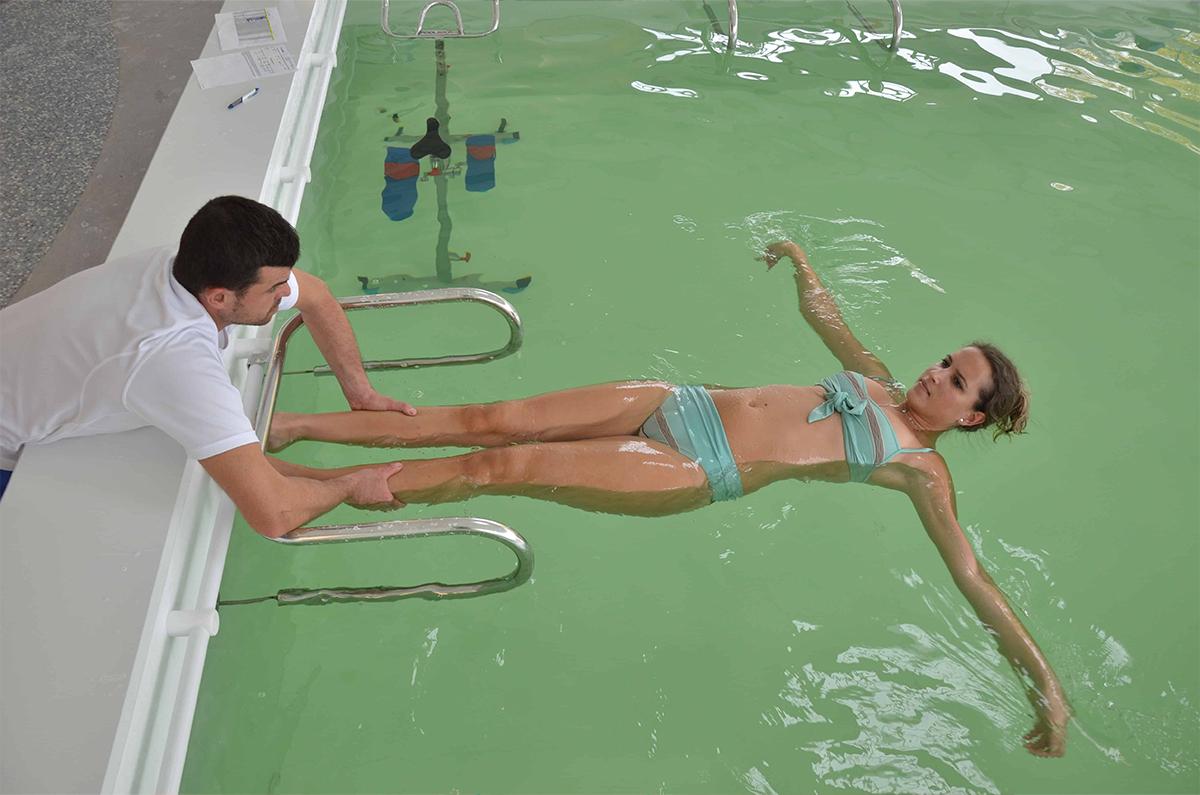
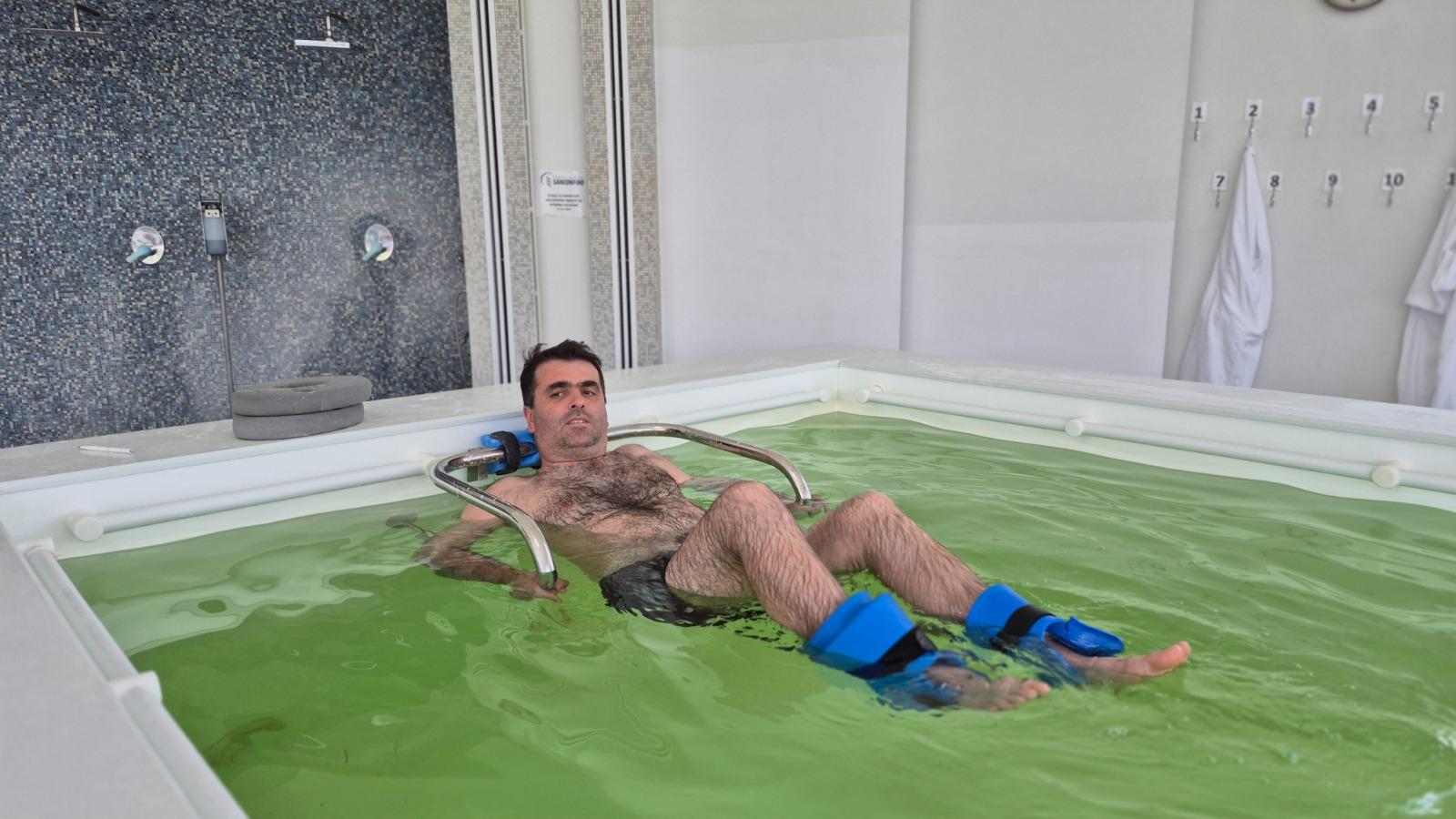
- Providing buoyancy for gentle exercise in water
Working with Physiotherapy
Kinesiotherapy and physiotherapy complement each other:
- Physiotherapy addresses pain, inflammation, and tissue healing
- Kinesiotherapy focuses on movement restoration and exercise progression
- Together, they provide comprehensive musculoskeletal rehabilitation
Supporting Medical Care
Our kinesiotherapy program coordinates with medical services:
- Post-surgical rehabilitation following orthopedic procedures
- Exercise management for chronic medical conditions
- Medication timing considerations for optimal exercise response
- Communication with referring physicians about progress
Our Kinesiotherapy Team and Facilities
Sanconfind Medical Center provides the expertise and facilities needed for excellent kinesiotherapy outcomes.
Professional Staff
Our kinesiotherapists are:
- Graduates of accredited kinesiology and rehabilitation programs
- Licensed and registered according to Romanian regulations
- Experienced in treating diverse patient populations
- Committed to ongoing professional development
Specialized Facilities
Our kinesiotherapy department features:
Treatment and Exercise Areas
- Spacious exercise halls with modern equipment
- Private treatment spaces for individual sessions
- Outdoor training areas utilizing our beautiful campus
Equipment
- Resistance training machines and free weights
- Cardiovascular exercise equipment
- Balance and proprioception tools
- Flexibility and stretching equipment
- Functional training apparatus
Technology
- Movement analysis tools
- Exercise tracking systems
- Video recording for feedback
- Digital home exercise resources
Why Choose Sanconfind for Kinesiotherapy?
Sanconfind Medical Center offers unique advantages for kinesiotherapy patients.
Comprehensive Rehabilitation Environment
Our kinesiotherapy services operate within a full medical rehabilitation center, providing:
- Access to complementary treatments (balneotherapy, hydrotherapy, physiotherapy)
- Medical supervision and consultation
- Integrated care planning
- Comprehensive patient support
Natural Healing Setting
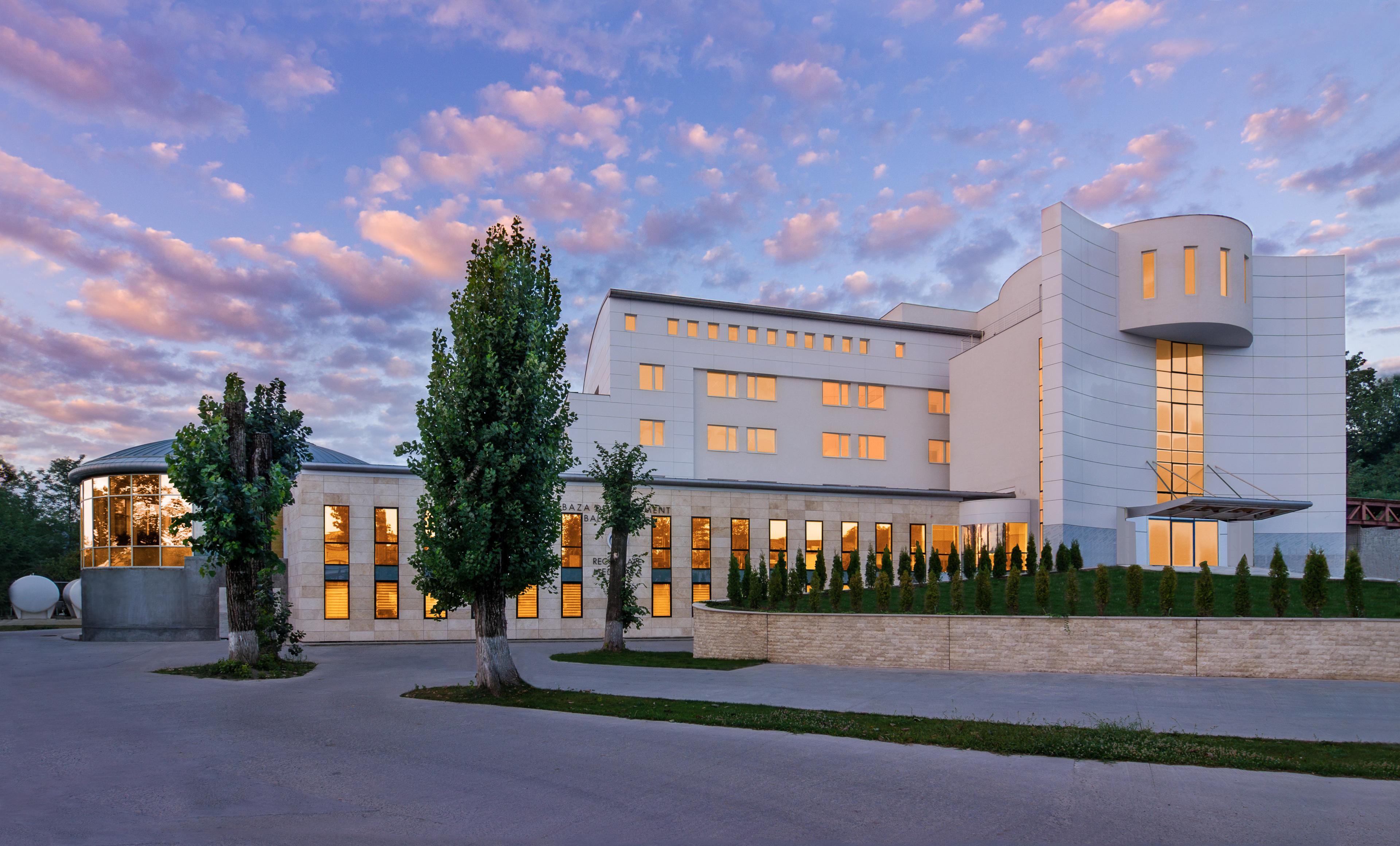
Our Poiana Câmpina location provides:
- Clean air and natural surroundings
- Peaceful environment for focused rehabilitation
- Outdoor exercise opportunities
- Stress reduction that supports healing
Experienced, Dedicated Staff
Our team provides:
- Professional expertise and clinical experience
- Personalized attention to each patient
- Commitment to achieving treatment goals
- Compassionate, supportive care
Value and Accessibility
We offer:
- Quality care at accessible prices
- Comprehensive treatment packages
- Support for traveling patients
- Multilingual services for international visitors
Frequently Asked Questions
How is kinesiotherapy different from physiotherapy?
While both professions work to restore physical function, kinesiotherapy emphasizes active exercise intervention and movement training, while physiotherapy encompasses a broader range of techniques including manual therapy and electrotherapy. At Sanconfind, these services work together complementarily.
How often should I attend kinesiotherapy sessions?
Frequency depends on your condition and goals. Intensive rehabilitation may involve daily sessions, while maintenance programs might be 1-2 times weekly. We'll recommend the appropriate frequency for your situation.
Can I do kinesiotherapy if I'm in pain?
Yes, though we modify the program to accommodate pain. In fact, appropriate movement often helps reduce pain. We work carefully within your comfort level and progress as pain improves.
Do I need to be physically fit to start kinesiotherapy?
No. Kinesiotherapy programs are designed to meet you at your current level of ability. Whether you're very deconditioned or a high-level athlete, we can design an appropriate program.
How long until I see results?
Many patients notice improvements within the first few sessions, particularly in how movement feels. More substantial changes in strength, flexibility, and function typically develop over weeks to months of consistent participation.
Will I need to continue exercises after completing treatment?
Usually, yes. While you may not need ongoing supervised treatment, maintaining an independent exercise program is typically important for preserving your gains and preventing recurrence.
Begin Your Movement Recovery
Healthy movement is essential for a full, active life. Don't let pain, weakness, or dysfunction limit what you can do. Contact Sanconfind Medical Center to learn how our kinesiotherapy program can help you move better and live better.
Contact Us
- Phone: +40 244 990
- Email: office@sanconfind.ro
- Location: Sanconfind Medical Center, Poiana Câmpina, Prahova County, Romania
Our team is ready to answer your questions, explain our kinesiotherapy services, and help you take the first step toward improved movement and function. Contact us today.
Sanconfind Medical Center's kinesiotherapy program combines movement science expertise with comprehensive rehabilitation resources, helping patients restore function and return to active, fulfilling lives.