Ophthalmology: Eye Care at Sanconfind Medical Center
Vision is one of our most precious senses, allowing us to navigate the world and connect with those around us. Eye diseases can threaten this vital sense, but many conditions are preventable or treatable when detected early. At Sanconfind Medical Center in Poiana Câmpina, Romania, our ophthalmology department provides comprehensive eye care, from routine examinations to the diagnosis and management of eye diseases.
Our ophthalmologists combine clinical expertise with modern diagnostic equipment to protect and preserve your vision.
Ophthalmology Services
Comprehensive Eye Examinations
What's Included
- Visual acuity testing
- Refraction (prescription determination)
- External eye examination
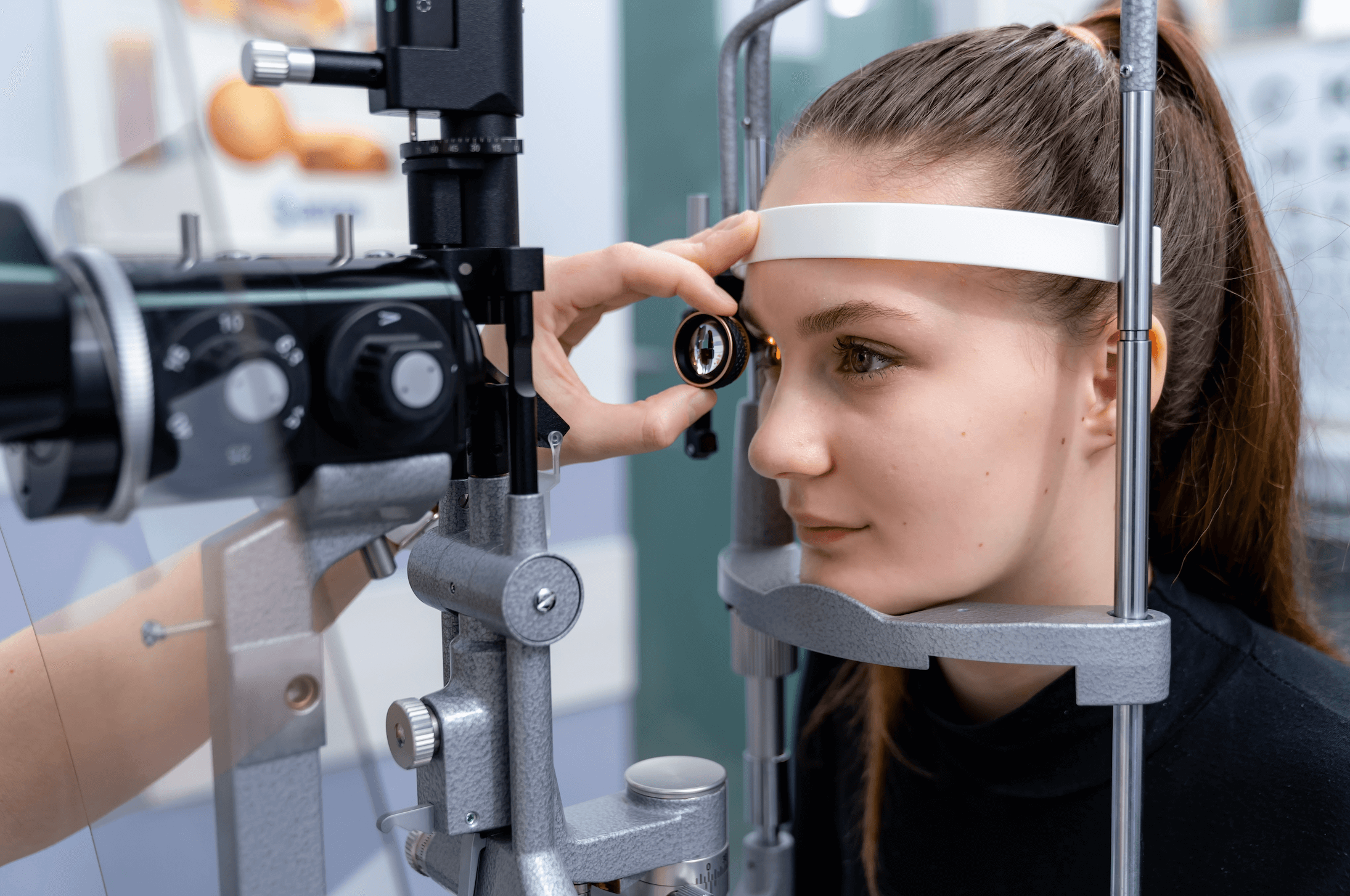
- Slit lamp examination
- Intraocular pressure measurement
- Dilated fundus examination
- Assessment of eye health
Who Should Have Regular Exams
- Adults every 1-2 years
- More frequently with risk factors
- Diabetics (at least annually)
- Those with eye disease history
- Anyone with vision symptoms
Diagnostic Testing
Tonometry Measuring eye pressure:
- Glaucoma screening
- Pressure monitoring
Visual Field Testing Assessing peripheral vision:
- Glaucoma evaluation
- Neurological conditions
- Progression monitoring
OCT (Optical Coherence Tomography) Imaging retinal layers:
- Macular disease
- Glaucoma nerve evaluation
- Retinal conditions
Fundus Photography Documenting retinal appearance:
- Baseline documentation
- Disease progression tracking
Eye Conditions We Treat
Glaucoma
What is Glaucoma? A group of conditions causing optic nerve damage, often related to elevated eye pressure. The "silent thief of sight" as it often has no early symptoms.
Our Approach
- Risk assessment
- Pressure measurement
- Visual field testing
- Optic nerve evaluation
- Treatment initiation
- Ongoing monitoring
Treatment
- Eye drops
- Medication adjustment
- Referral for procedures if needed
Cataracts
Understanding Cataracts Clouding of the eye's natural lens, causing blurred vision. Very common with aging.
Evaluation
- Visual impact assessment
- Cataract characterization
- Timing determination
- Surgical referral when indicated
Management
- Monitoring early cataracts
- Updated prescriptions
- Surgical referral when vision is significantly affected
Diabetic Eye Disease
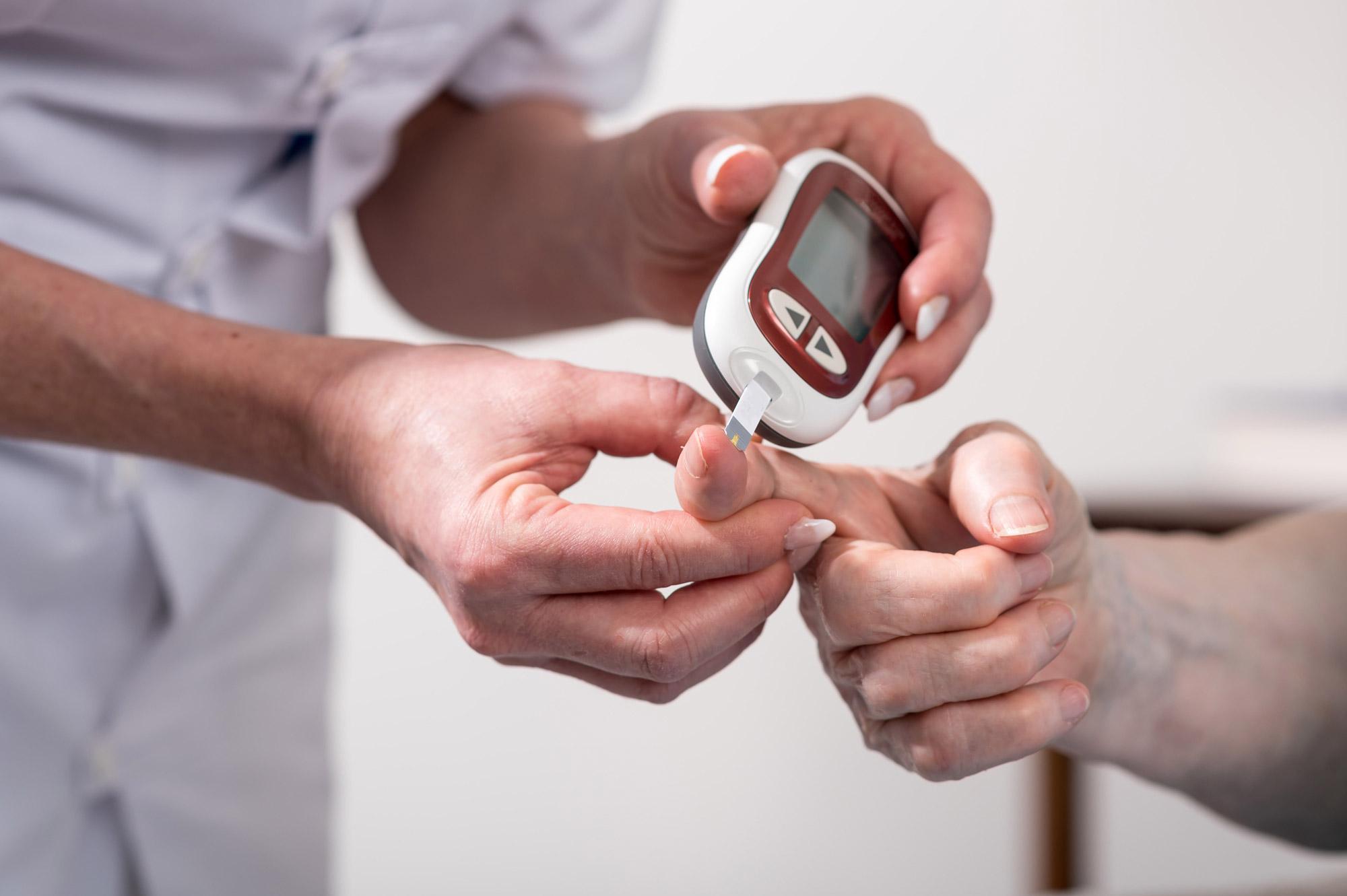
Diabetic Retinopathy Diabetes damages small blood vessels in the retina, potentially leading to vision loss.
Our Role
- Annual diabetic eye screening
- Early detection of changes
- Staging and documentation
- Treatment referral when needed
- Communication with diabetes care team
Prevention Focus
- Blood sugar control importance
- Regular screening importance
- Early intervention value
Age-Related Macular Degeneration (AMD)
What is AMD? Degeneration of the macula (central vision area), causing central vision loss in older adults.
Services
- Risk assessment
- Early detection
- Staging (dry vs. wet)
- Monitoring
- Referral for treatment of wet AMD
- Low vision support
Dry Eye Disease
Common Condition Inadequate tear production or quality causing discomfort and vision issues.
Management
- Tear film assessment
- Lifestyle recommendations
- Artificial tears
- Prescription treatments
- Other interventions
Red Eye and Eye Infections
Conditions
- Conjunctivitis (pink eye)
- Blepharitis
- Corneal infections
- Other infections/inflammations
Treatment
- Accurate diagnosis
- Appropriate treatment
- Follow-up care
Refractive Errors
Vision Correction
- Myopia (nearsightedness)
- Hyperopia (farsightedness)
- Astigmatism
- Presbyopia
Services
- Accurate refraction
- Glasses prescription
- Contact lens fitting
- Refractive surgery counseling
Specialized Screening Programs
Diabetic Eye Screening
Importance Diabetic retinopathy is a leading cause of blindness but is treatable when caught early.
Our Program
- Annual screening for all diabetics
- Dilated examination
- Documentation
- Results to diabetes care team
- Referral if needed
Glaucoma Screening
At-Risk Groups
- Family history
- Age over 40
- African descent
- High myopia
- Diabetes
- High blood pressure
Screening Components
- Pressure measurement
- Optic nerve evaluation
- Visual field testing if indicated
Our Ophthalmology Team
Ophthalmologists
Our eye doctors have:
- Medical and surgical eye training
- Diagnostic expertise
- Current knowledge
- Patient-focused care
Equipment
Modern diagnostic equipment:
- Slit lamp examination
- Tonometry
- OCT imaging
- Visual field analyzer
- Fundus camera
Eye Health Tips
Protect Your Vision
- Regular eye exams
- Control diabetes and blood pressure
- Wear sunglasses
- Don't smoke
- Eat healthy (leafy greens, fish)
- Take screen breaks
- Use proper lighting
When to Seek Immediate Care
- Sudden vision loss
- Flashing lights or new floaters
- Eye pain
- Eye injury
- Sudden double vision
Frequently Asked Questions
How often should I have an eye exam?
Adults should have exams every 1-2 years, more often with diabetes, glaucoma, or other risk factors. Children should have screening before school and periodically.
Do I need dilated exams?
Dilation allows thorough retinal examination and is important for detecting many conditions. We recommend periodic dilated exams for comprehensive assessment.
Can eye diseases be prevented?
Many risk factors can be modified: controlling diabetes and blood pressure, not smoking, wearing sunglasses, and eating well. Regular exams allow early detection and treatment.
Is glaucoma hereditary?
Family history is a risk factor. If you have relatives with glaucoma, regular screening is especially important.
When should cataracts be removed?
When they significantly affect your vision and daily activities. The decision is made together based on your symptoms and needs.
Can diabetic eye disease be reversed?
Damage cannot be reversed, but progression can often be slowed or stopped with good diabetes control and appropriate treatment. Prevention through control and screening is key.
Schedule Your Eye Examination
Protect your precious vision with regular eye care at Sanconfind Medical Center.
Contact Us
- Phone: +40 244 990
- Email: office@sanconfind.ro
- Location: Sanconfind Medical Center, Poiana Câmpina, Prahova County, Romania
Our ophthalmology team is dedicated to preserving and protecting your vision.
Sanconfind Medical Center's ophthalmology department provides comprehensive eye care—from routine examinations to disease management—helping patients maintain healthy vision throughout life.