Gastroenterology: Digestive Health at Sanconfind Medical Center
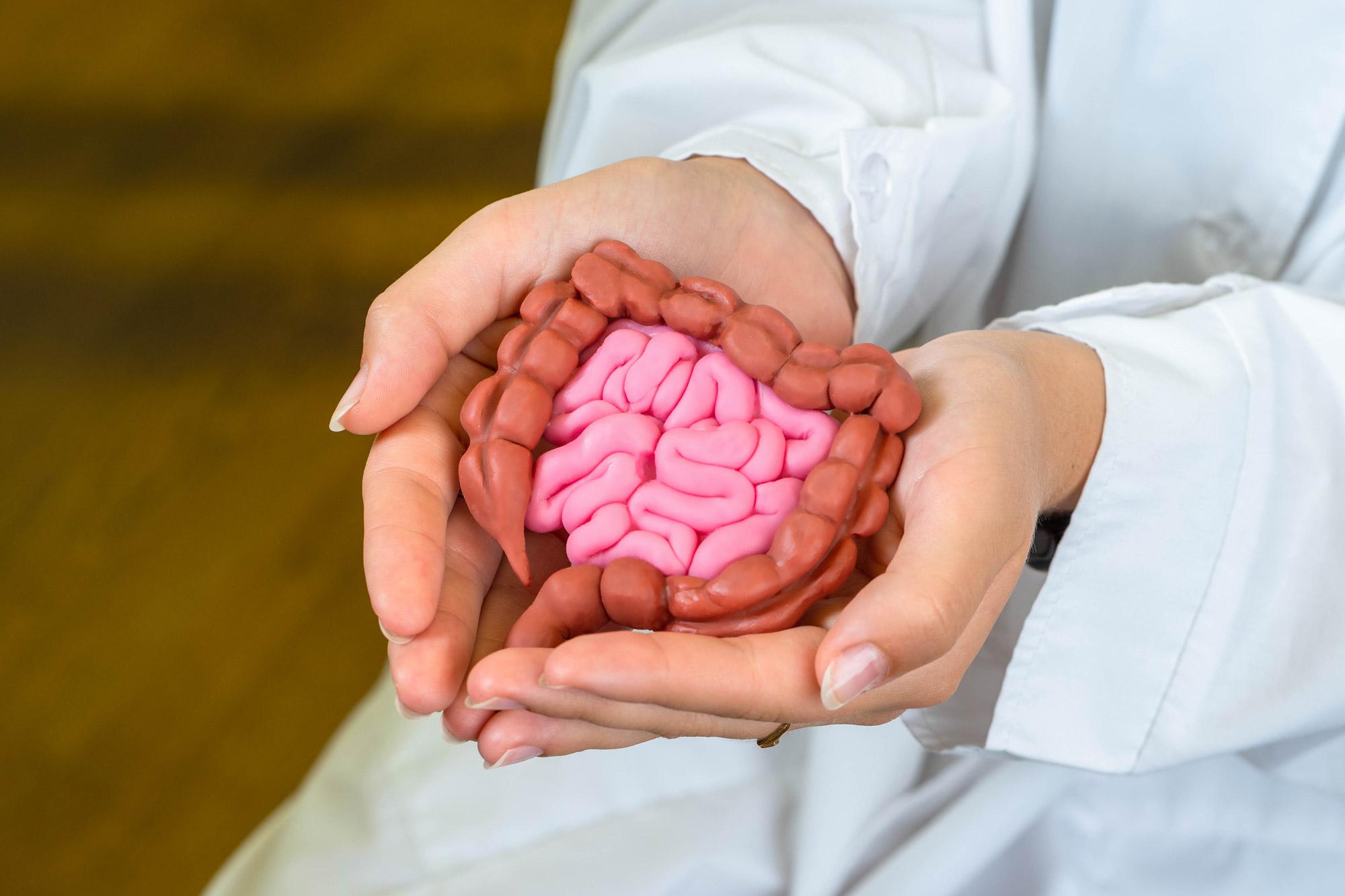
The digestive system processes every bite of food we eat, absorbing nutrients and eliminating waste. When digestive problems occur—whether mild discomfort or serious disease—they can significantly impact daily life. At Sanconfind Medical Center in Poiana Câmpina, Romania, our gastroenterology services provide comprehensive care for conditions affecting the esophagus, stomach, intestines, liver, pancreas, and gallbladder.
Our gastroenterologists combine diagnostic expertise with treatment skills to help patients find relief from digestive symptoms and manage chronic gastrointestinal conditions effectively.
Gastroenterology Services
Consultations
Initial Evaluation
- Comprehensive symptom assessment
- Medical history review
- Physical examination
- Diagnostic planning
- Treatment discussion
Conditions Evaluated
- Abdominal pain
- Heartburn and reflux
- Swallowing difficulties
- Nausea and vomiting
- Diarrhea and constipation
- Bloating and gas
- Blood in stool
- Unexplained weight loss
- Liver enzyme abnormalities
Endoscopic Procedures
Upper Endoscopy (EGD) Examining the esophagus, stomach, and duodenum:
- GERD evaluation
- Ulcer diagnosis
- Celiac disease biopsy
- Barrett's esophagus surveillance
- Upper GI bleeding evaluation
- Biopsy of suspicious lesions
Colonoscopy Examining the entire colon:
- Colorectal cancer screening
- Polyp detection and removal
- Inflammatory bowel disease assessment
- Investigation of symptoms
- Surveillance after polyp removal
Other Endoscopic Procedures
- Flexible sigmoidoscopy
- Capsule endoscopy coordination
- Therapeutic procedures
Conditions We Treat
Esophageal Conditions
Gastroesophageal Reflux Disease (GERD)
- Chronic heartburn
- Lifestyle modification
- Medication management
- Barrett's esophagus screening
Other Esophageal Problems
- Swallowing difficulties (dysphagia)
- Esophageal motility disorders
- Eosinophilic esophagitis
- Esophageal strictures
Stomach Conditions
Peptic Ulcer Disease
- H. pylori-related ulcers
- NSAID-related ulcers
- Treatment protocols
- Bleeding ulcer management
Gastritis
- Acute and chronic
- Causes and treatment
- Dietary guidance
Intestinal Conditions
Inflammatory Bowel Disease (IBD)
- Crohn's disease
- Ulcerative colitis
- Medical management
- Monitoring and surveillance
- Flare management
Irritable Bowel Syndrome (IBS)
- Diagnosis (diagnosis of exclusion)
- Dietary management
- Medical treatment
- Symptom control
Celiac Disease
- Diagnosis
- Gluten-free diet guidance
- Monitoring
Other Conditions
- Diverticular disease
- Infectious diarrhea
- Small intestinal bacterial overgrowth (SIBO)
- Malabsorption syndromes
Colorectal Conditions
Colorectal Cancer Screening
- Average risk screening
- High risk surveillance
- Polyp follow-up
- Prevention strategies
Polyps
- Detection and removal
- Pathology review
- Surveillance recommendations
Liver Conditions
Fatty Liver Disease
- Non-alcoholic fatty liver (NAFLD)
- Alcoholic liver disease
- Lifestyle intervention
- Medical management
Hepatitis
- Viral hepatitis (B, C)
- Autoimmune hepatitis
- Treatment coordination
Cirrhosis
- Evaluation and management
- Complication prevention
- Surveillance
Abnormal Liver Tests
- Evaluation approach
- Diagnosis determination
Pancreatic Conditions
Pancreatitis
- Acute pancreatitis
- Chronic pancreatitis
- Cause determination
- Prevention strategies
Pancreatic Cysts
- Evaluation
- Surveillance recommendations
Gallbladder and Biliary Conditions
- Gallstones
- Biliary colic
- Post-cholecystectomy symptoms
- Bile duct stones
Diagnostic Services
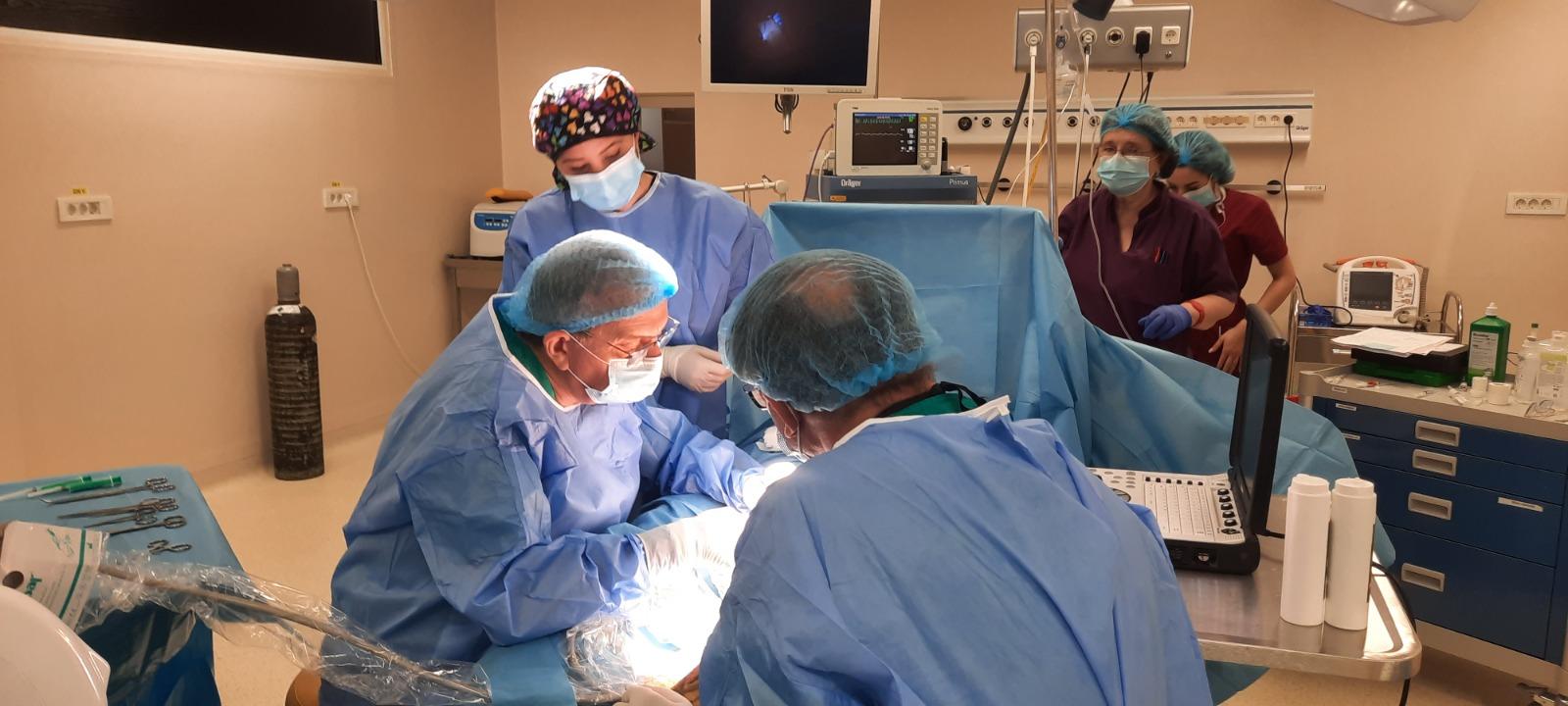
Endoscopy
As described above, direct visualization of the GI tract.
Laboratory
- Liver function tests
- Pancreatic enzymes
- Celiac antibodies
- H. pylori testing
- Stool studies
- Hepatitis panels
Imaging Coordination
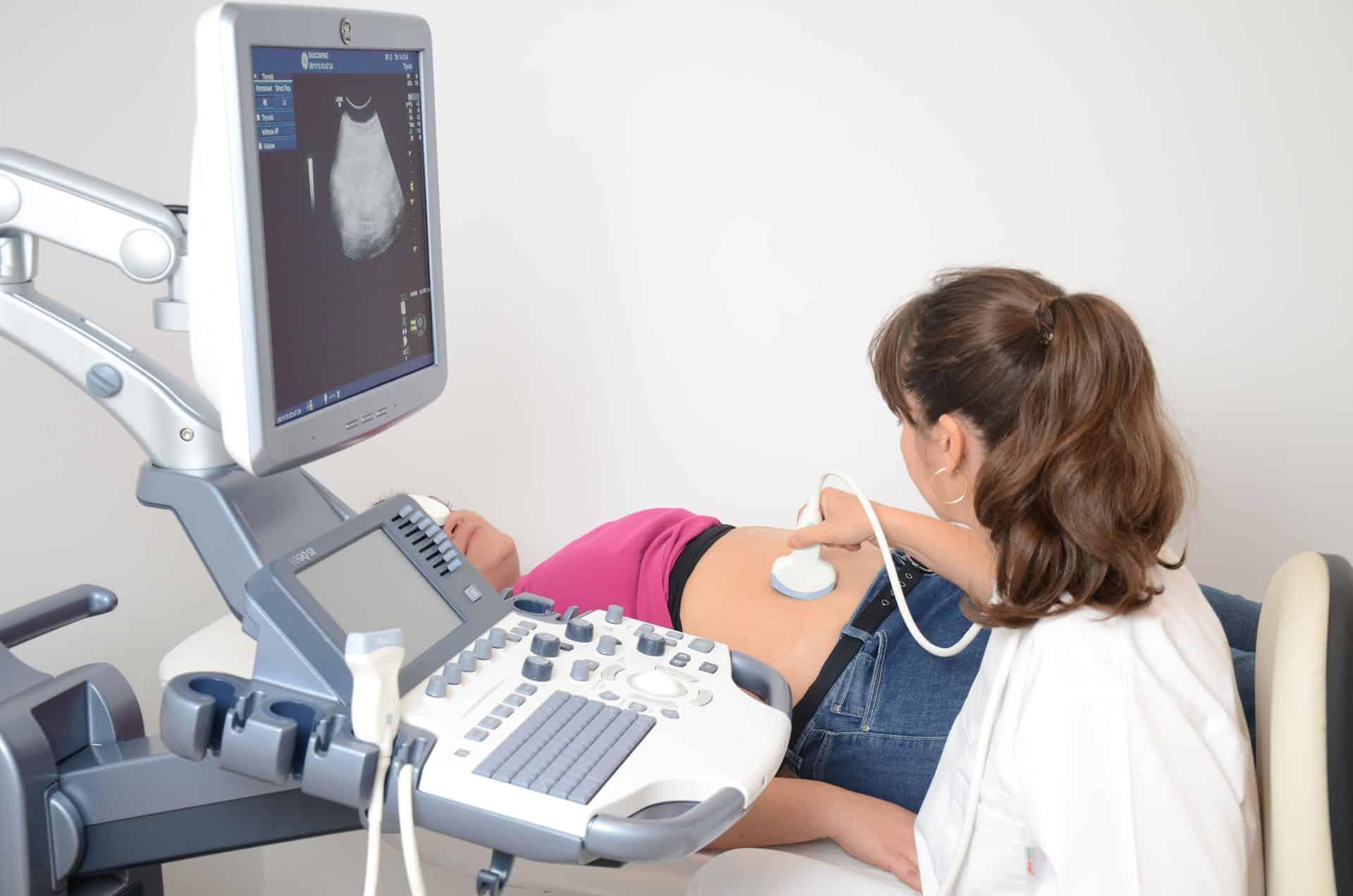
- Ultrasound
- CT scan
- MRI/MRCP
- Other studies as needed
Colorectal Cancer Prevention
Screening Importance
Colorectal cancer is highly preventable through screening:
- Polyps can be removed before becoming cancer
- Early cancer is highly treatable
- Screening saves lives
Who Should Be Screened
Average Risk
- Starting at age 45-50
- Colonoscopy every 10 years if normal
Higher Risk
- Family history of colorectal cancer
- Personal history of polyps
- Inflammatory bowel disease
- Earlier and more frequent screening
The Colonoscopy Experience
Preparation
- Dietary modifications
- Bowel preparation (cleansing)
- Medication adjustments
The Procedure
- Sedation for comfort
- 30-45 minute procedure
- Polyps removed if found
- Recovery from sedation
After
- Results discussion
- Follow-up recommendations
- Return to normal activities
Our Gastroenterology Team
Gastroenterologists
Our specialists have:
- GI fellowship training
- Endoscopy expertise
- Broad condition experience
- Patient-focused care
Collaboration
We work with:
- Primary care physicians
- Surgeons
- Oncology (for GI cancers)
- Nutritionists
- Pathology
Frequently Asked Questions
When should I see a gastroenterologist?
For persistent digestive symptoms, blood in stool, difficulty swallowing, unexplained weight loss, abnormal liver tests, or colorectal cancer screening.
Is colonoscopy painful?
With sedation, most patients experience no pain and don't remember the procedure. Some abdominal discomfort afterward is normal.
How do I prepare for colonoscopy?
You'll follow a special diet and take bowel preparation (laxatives) to clean the colon. We provide detailed instructions.
Can IBS be cured?
IBS is a chronic condition that can be effectively managed but not cured. Many patients achieve significant symptom improvement with proper treatment.
Should I worry about fatty liver?
Fatty liver is increasingly common and can progress to serious liver disease. Lifestyle modification (weight loss, exercise) is the primary treatment.
How often do I need colonoscopy?
For average-risk individuals with normal results: every 10 years. More frequent if polyps are found or risk factors exist.
Schedule Your Gastroenterology Appointment
For digestive health concerns, contact Sanconfind Medical Center.
Contact Us
- Phone: +40 244 990
- Email: office@sanconfind.ro
- Location: Sanconfind Medical Center, Poiana Câmpina, Prahova County, Romania
Our gastroenterology team provides expert care for digestive conditions.
Sanconfind Medical Center's gastroenterology services provide comprehensive digestive care—from symptom evaluation and endoscopy to chronic disease management and cancer prevention.