Laparoscopic Surgery: Minimally Invasive Techniques at Sanconfind Medical Center
Laparoscopic surgery, also known as minimally invasive surgery or keyhole surgery, has revolutionized modern surgical practice. By using small incisions and specialized instruments, surgeons can perform complex procedures while minimizing trauma to the body. At Sanconfind Medical Center in Poiana Câmpina, Romania, our surgeons are experienced in laparoscopic techniques across multiple specialties, offering patients the benefits of modern surgical approaches.
The advantages of laparoscopic surgery—less pain, faster recovery, smaller scars—have made it the preferred approach for many operations that previously required large incisions and lengthy hospital stays.
Understanding Laparoscopic Surgery
How It Works
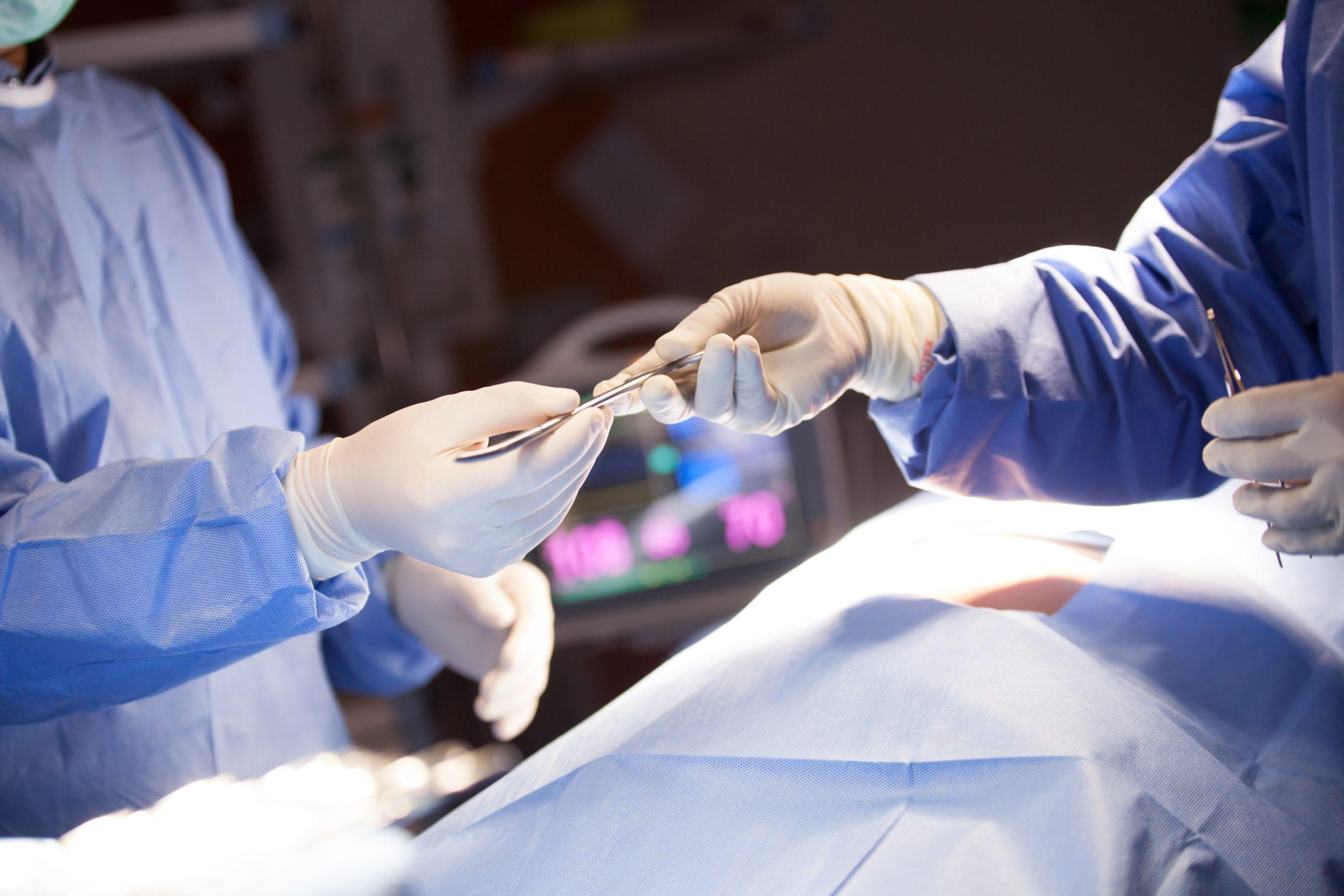
The Technique Instead of one large incision, laparoscopic surgery uses several small incisions (typically 5-12 mm):
- A thin tube with a camera (laparoscope) is inserted through one incision
- The camera displays magnified images on a monitor
- Specialized instruments are inserted through other incisions
- The surgeon operates while viewing the monitor
- Carbon dioxide gas creates working space inside the body
Visualization Advantages
- High-definition camera images
- Magnification for precise work
- Illumination of internal structures
- Video recording capability
Comparison with Open Surgery
| Aspect | Laparoscopic | Open Surgery |
|---|---|---|
| Incisions | Several 5-12mm | Single large incision |
| Hospital stay | Often same-day or 1-2 days | Usually longer |
| Pain | Less | More |
| Recovery | Faster | Slower |
| Scarring | Minimal | More visible |
| Complications | Generally lower wound complications | Higher wound complications |
Laparoscopic Procedures We Offer
Gallbladder Surgery (Laparoscopic Cholecystectomy)
Most Common Laparoscopic Procedure
- Gallstones
- Biliary colic
- Acute cholecystitis
- Gallbladder polyps
The Procedure
- 4 small incisions
- Gallbladder detached and removed
- Usually same-day or overnight stay
- Recovery: 1-2 weeks to normal activities
Laparoscopic Appendectomy
Appendicitis Treatment
- Acute appendicitis
- Complicated appendicitis
- Incidental appendectomy
Benefits
- Faster recovery than open appendectomy
- Less infection risk
- Better cosmetic outcome
- Can diagnose other conditions simultaneously
Laparoscopic Hernia Repair
Inguinal Hernia
- TAPP (Transabdominal Preperitoneal) approach
- TEP (Totally Extraperitoneal) approach
- Bilateral hernia repair through same incisions
- Recurrent hernia repair
Ventral/Incisional Hernia
- Laparoscopic mesh repair
- Less wound complications than open repair
- Especially beneficial for larger defects
Laparoscopic Colon Surgery
Colorectal Procedures
- Colon cancer resection
- Diverticular disease
- Inflammatory bowel disease
- Rectal prolapse repair
Advantages
- Faster return of bowel function
- Shorter hospital stay
- Less adhesion formation
- Comparable oncological outcomes
Laparoscopic Anti-Reflux Surgery
GERD Treatment
- Fundoplication procedures
- Hiatal hernia repair
- Chronic reflux not controlled by medication
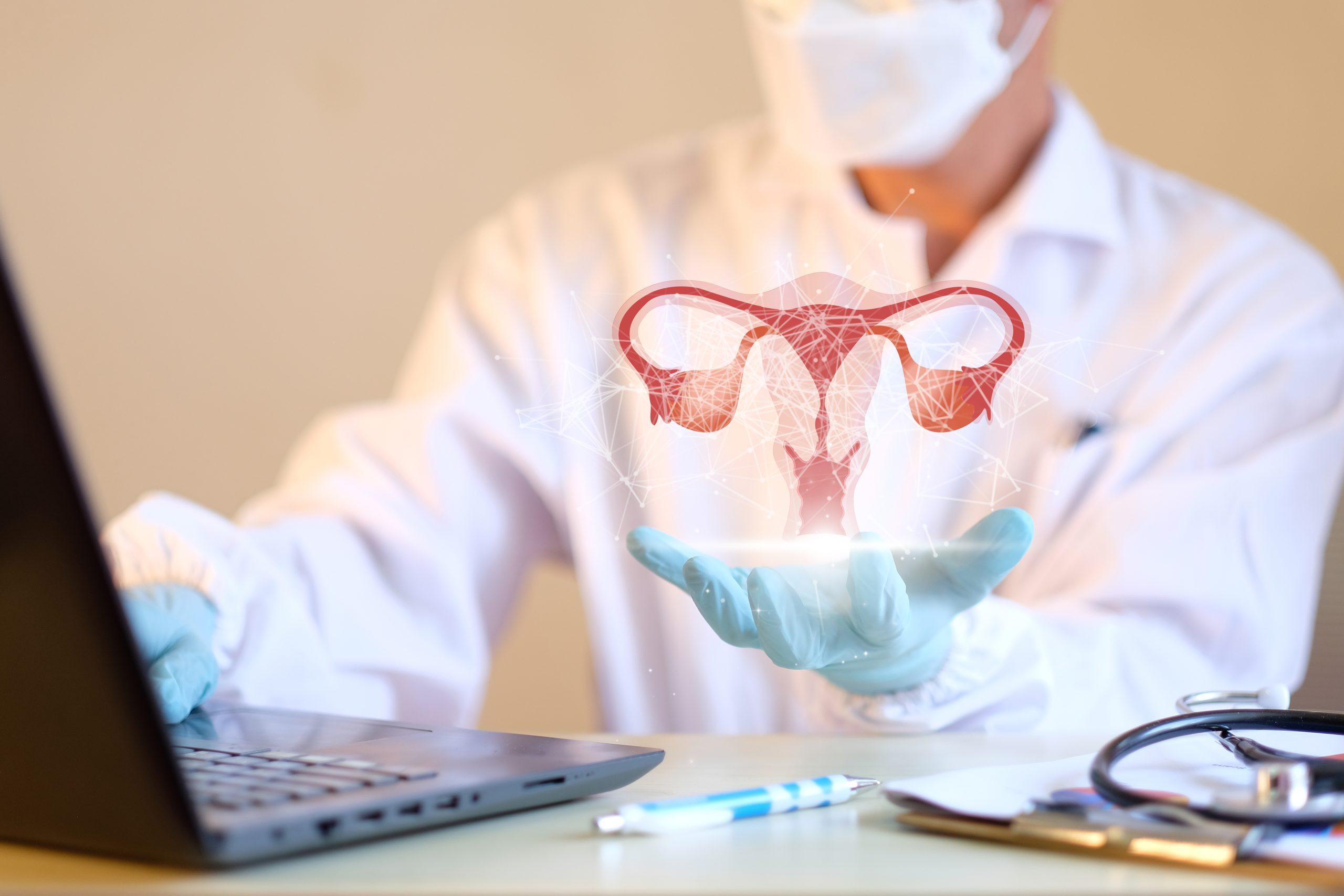
Gynecological Laparoscopy
Procedures Include
- Diagnostic laparoscopy
- Ovarian cyst removal
- Endometriosis treatment
- Tubal ligation
- Hysterectomy (laparoscopic-assisted)
- Myomectomy (fibroid removal)
Other Laparoscopic Procedures
- Splenectomy
- Adrenalectomy
- Liver biopsy
- Lymph node biopsy
- Diagnostic exploration
The Laparoscopic Surgery Experience
Before Surgery
Evaluation
- Surgical consultation
- Medical history review
- Physical examination
- Discussion of approach and alternatives
- Informed consent
Preoperative Testing
- Blood tests
- ECG
- Imaging studies
- Anesthesia evaluation
Preparation
- Fasting instructions
- Bowel preparation (for some procedures)
- Medication adjustments
- Arrival instructions
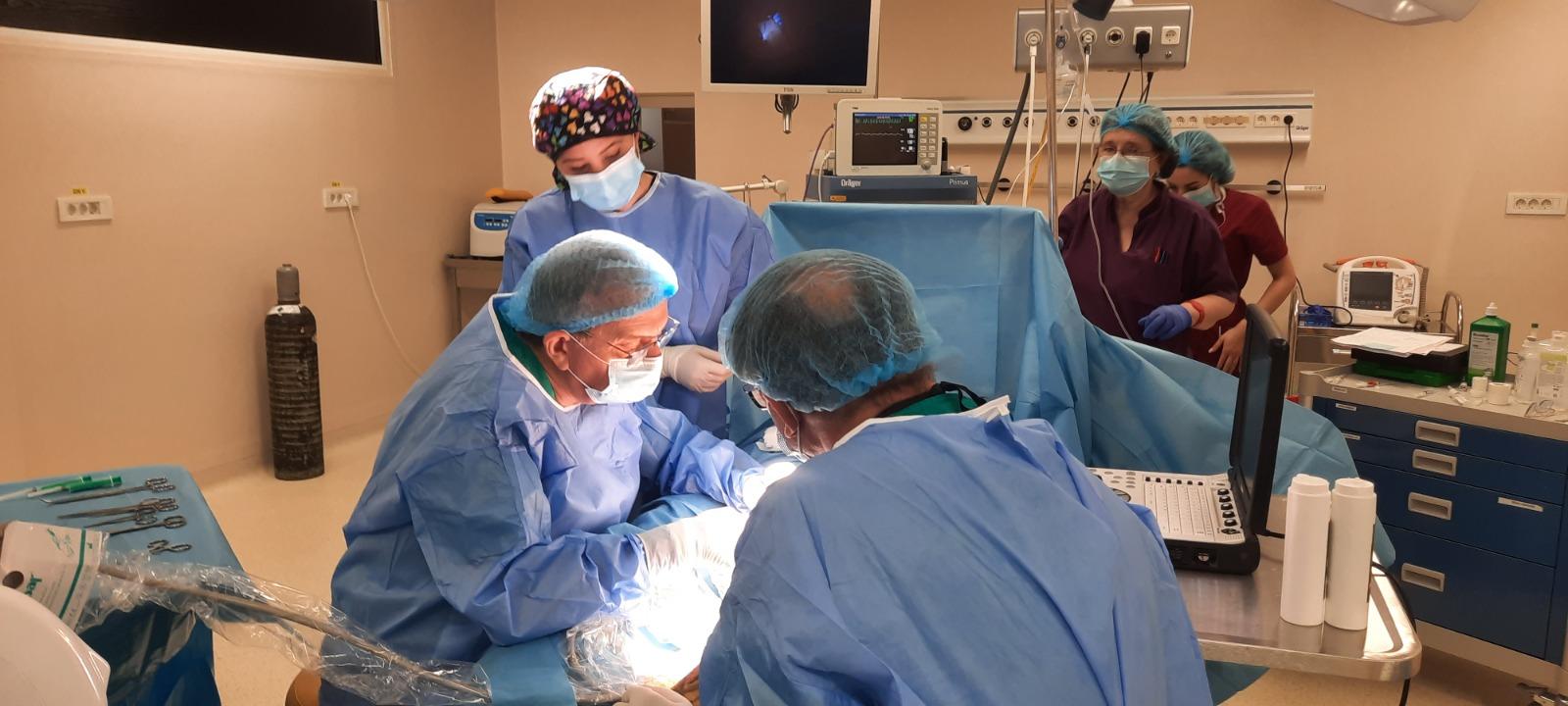
During the Procedure
Anesthesia Most laparoscopic procedures require general anesthesia. You'll be completely asleep.
The Operation
- Small incisions are made
- Gas is introduced to create space
- Laparoscope inserted
- Instruments introduced
- Procedure performed under camera guidance
- Instruments removed
- Gas released
- Incisions closed
Duration Varies by procedure—typically 1-3 hours.
After Surgery
Recovery Room
- Waking from anesthesia
- Pain assessment and management
- Monitoring vital signs
- Assessment for discharge or admission
Common Sensations
- Some shoulder or abdominal discomfort (from gas)
- Mild incision soreness
- Nausea (usually temporary)
- Fatigue
Hospital Stay
- Many procedures are same-day
- Some require 1-2 night stay
- Complex procedures may require longer
Going Home
- Discharge criteria must be met
- Escort required for same-day surgery
- Home care instructions provided
- Follow-up scheduled
Recovery at Home
First Few Days
- Rest and light activity
- Pain medication as needed
- Incision care
- Gradual diet advancement
Returning to Activities
- Walking encouraged from day one
- Driving: usually after stopping pain medication
- Work: often 1-2 weeks (desk job) to 4-6 weeks (physical labor)
- Exercise: gradual return over 4-6 weeks
Follow-Up
- Wound check
- Pathology review (if tissue was removed)
- Recovery assessment
- Return to full activities clearance
When Laparoscopic Surgery May Not Be Possible
While laparoscopic surgery is preferred when appropriate, some situations require open surgery:
Patient Factors
- Inability to tolerate pneumoperitoneum (gas)
- Severe cardiopulmonary disease
- Coagulation disorders
Surgical Factors
- Extensive adhesions from previous surgeries
- Large tumors or masses
- Anatomical variations
- Intraoperative complications requiring conversion
Conversion to Open Surgery If laparoscopic surgery cannot be safely completed, the surgeon may convert to open surgery. This is a safety decision, not a complication.
Our Laparoscopic Surgery Team
Surgeons
Our surgeons performing laparoscopic procedures have:
- Advanced laparoscopic training
- Experience across multiple procedure types
- Commitment to patient safety
- Ongoing skills development
Operating Room Team
- Experienced OR nurses
- Specialized technicians
- Anesthesiologists skilled in laparoscopic cases
- Modern equipment and instrumentation
Support Services
- Pre-admission testing
- Same-day surgery unit
- Post-anesthesia care unit
- Surgical ward for admitted patients
Advantages at Sanconfind
Technology
Modern laparoscopic equipment including:
- High-definition camera systems
- Advanced instrumentation
- Energy devices for precise surgery
- Ergonomic design
Expertise
Surgeons experienced in laparoscopic techniques across specialties.
Integrated Care
Post-surgical access to rehabilitation services:
- Physiotherapy for recovery
- Hydrotherapy for gentle reconditioning
- Balneotherapy for healing support
Comfortable Environment
Our Poiana Câmpina location offers a peaceful setting for surgical recovery.
Frequently Asked Questions
Is laparoscopic surgery as effective as open surgery?
For appropriate procedures, laparoscopic surgery is equally effective with the added benefits of faster recovery and less pain.
Will I have scars?
Scars are much smaller than open surgery—typically 5-12mm. They fade significantly over time.
How much pain should I expect?
Pain is generally less than open surgery. Most patients manage with oral pain medication for a few days.
When can I eat after surgery?
For most procedures, you can start with liquids the same day and advance to regular food as tolerated.
When can I shower?
Usually 24-48 hours after surgery. We'll provide specific instructions.
What are the risks?
Risks include bleeding, infection, injury to surrounding structures, and possibility of conversion to open surgery. We discuss specific risks for your procedure.
Why might surgery be converted to open?
Safety reasons: inability to see clearly, bleeding, adhesions, or anatomical variations. Conversion is a safety decision.
Can I have laparoscopic surgery if I've had previous abdominal surgery?
Often yes, though previous surgery may create adhesions that increase difficulty or conversion risk.
Schedule a Consultation
To learn if laparoscopic surgery is appropriate for your condition, contact Sanconfind Medical Center.
Contact Us
- Phone: +40 244 990
- Email: office@sanconfind.ro
- Location: Sanconfind Medical Center, Poiana Câmpina, Prahova County, Romania
Our surgical team will evaluate your condition and discuss the best surgical approach for you.
Sanconfind Medical Center's laparoscopic surgery program offers minimally invasive options across multiple specialties, providing patients with the benefits of modern surgical techniques.