
Urology: Comprehensive Urological Care at Sanconfind Medical Center
Urology encompasses the medical and surgical treatment of conditions affecting the urinary system in both men and women, as well as the male reproductive system. At Sanconfind Medical Center in Poiana Câmpina, Romania, our urology department provides comprehensive care for urological conditions, from common problems like kidney stones and enlarged prostate to complex conditions requiring surgical intervention.
Our urologists combine expertise in modern surgical techniques with compassionate patient care, offering effective treatments that restore quality of life for patients with urological concerns.
Urological Conditions We Treat
Kidney and Ureteral Conditions
Kidney Stones One of the most common urological problems:
- Diagnosis and evaluation
- Medical management
- Extracorporeal shock wave lithotripsy (ESWL)
- Ureteroscopy with laser lithotripsy
- Percutaneous nephrolithotomy (PCNL)
- Prevention strategies
Other Kidney Conditions
- Kidney cysts
- Kidney tumors
- Hydronephrosis
- UPJ obstruction
- Kidney infections
Prostate Conditions
Benign Prostatic Hyperplasia (BPH) Enlarged prostate causing urinary symptoms:
- Medical management
- Minimally invasive treatments
- Transurethral resection of prostate (TURP)
- Other surgical options
Prostate Cancer
- Screening and diagnosis
- Prostate biopsy
- Staging evaluation
- Treatment options discussion
- Surgical treatment (prostatectomy)
- Collaboration with oncology
Prostatitis
- Acute and chronic prostatitis
- Diagnostic evaluation
- Medical management
Bladder Conditions
Bladder Tumors
- Transurethral resection of bladder tumor (TURBT)
- Surveillance protocols
- Advanced bladder cancer treatment
Bladder Dysfunction
- Overactive bladder
- Urinary retention
- Neurogenic bladder
- Interstitial cystitis
Bladder Stones
- Cystolitholapaxy
- Open surgery when needed
Male Reproductive Conditions
Erectile Dysfunction
- Evaluation
- Medical treatment
- Counseling
Male Infertility
- Evaluation
- Varicocele repair
- Other treatments
Testicular Conditions
- Hydrocele repair
- Varicocele treatment
- Testicular tumors
- Orchitis
Penile Conditions
- Circumcision
- Phimosis treatment
- Peyronie's disease
Female Urology
Urinary Incontinence
- Stress incontinence
- Urge incontinence
- Mixed incontinence
- Evaluation and treatment
Pelvic Organ Prolapse
- Cystocele (bladder prolapse)
- Surgical repair
Urinary Tract Infections
- Recurrent UTI management
- Prevention strategies
Pediatric Urology
Common conditions:
- Undescended testes
- Hydrocele
- Phimosis
- Hypospadias
- Vesicoureteral reflux
Diagnostic Services
Imaging
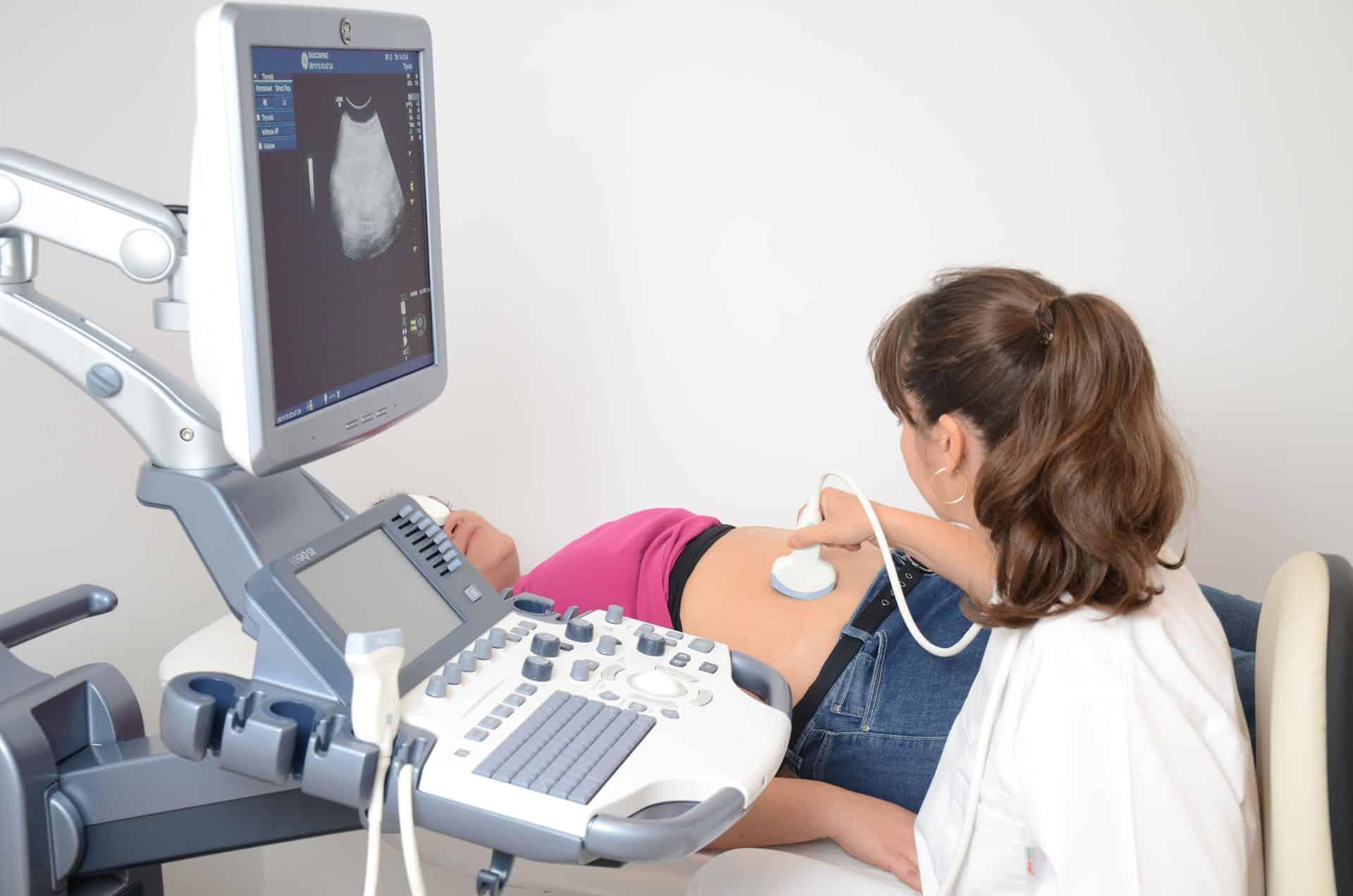
Urological Ultrasound
- Kidney ultrasound
- Bladder ultrasound
- Prostate ultrasound
- Post-void residual
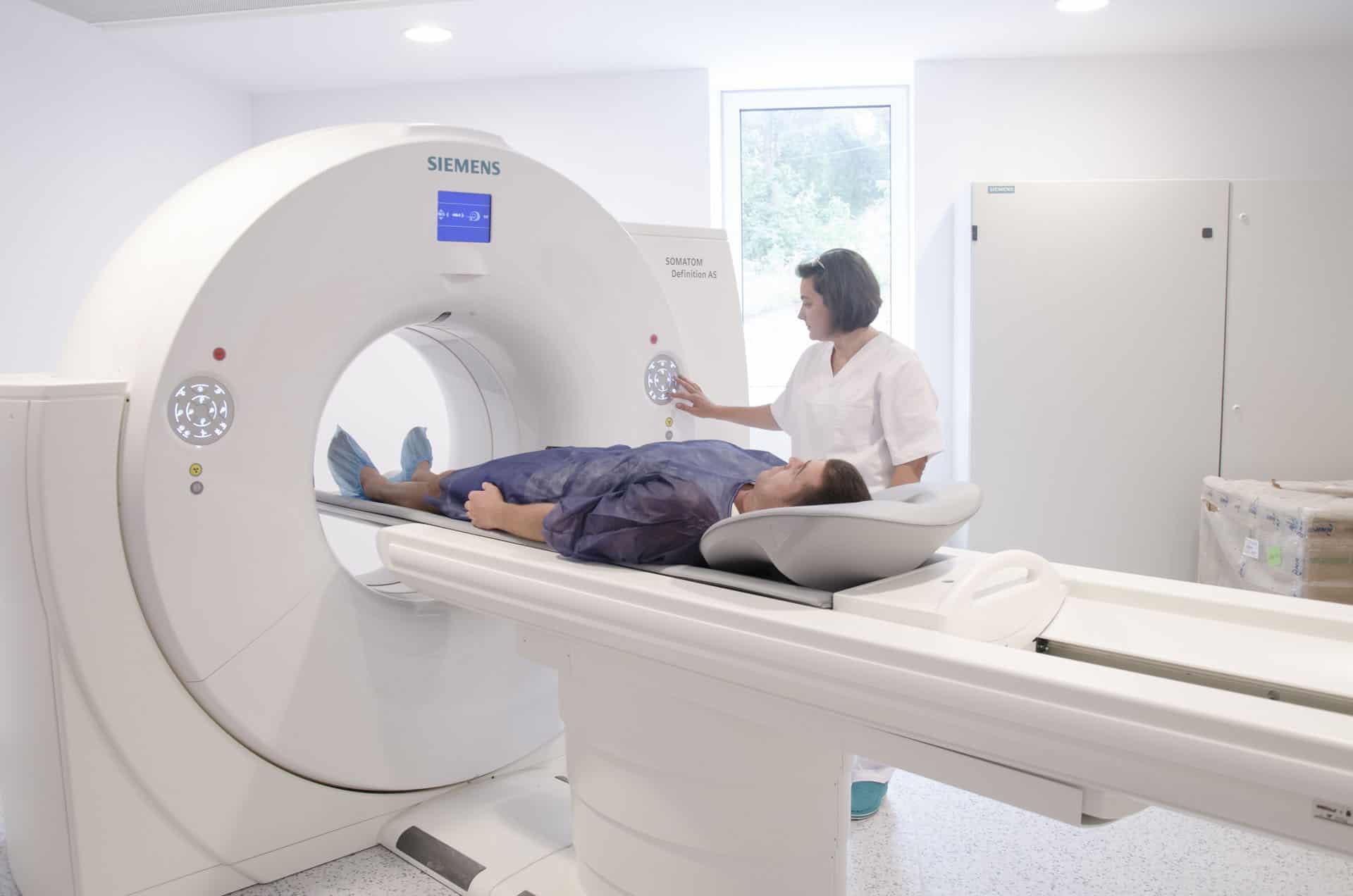
CT Urography
- Kidney stone evaluation
- Tumor evaluation
- Urinary tract assessment
MRI
- Prostate MRI
- Complex evaluation
Endoscopy
Cystoscopy Direct visualization of bladder and urethra:
- Diagnostic evaluation
- Biopsy
- Minor procedures
Ureteroscopy Evaluation and treatment of ureter and kidney:
- Stone treatment
- Tumor evaluation
Urodynamics
Testing bladder and urethral function:
- Flow studies
- Pressure measurements
- Voiding patterns
- Incontinence evaluation
Laboratory
- Urinalysis
- Urine culture
- PSA testing
- Blood tests
Surgical Services
Minimally Invasive Surgery
Endoscopic Procedures
- Transurethral resection (prostate, bladder tumors)
- Ureteroscopy
- Cystoscopy procedures
- Laser procedures
Laparoscopic Urology
- Nephrectomy (kidney removal)
- Partial nephrectomy
- Pyeloplasty
- Adrenalectomy
Open Surgery
When minimally invasive approaches aren't suitable:
- Complex stone procedures
- Cancer surgery
- Reconstructive procedures
Stone Surgery
ESWL (Shock Wave Lithotripsy)
- Non-invasive stone fragmentation
- Outpatient procedure
- Appropriate for certain stone types and locations
Ureteroscopy
- Stone access through natural passages
- Laser fragmentation
- Basket extraction
PCNL (Percutaneous Nephrolithotomy)
- For large kidney stones
- Direct kidney access
- Complete stone removal
Cancer Surgery
- Radical nephrectomy
- Partial nephrectomy
- Radical prostatectomy
- Radical cystectomy
- Orchidectomy
The Urology Patient Experience
Initial Consultation
Comprehensive Evaluation
- Medical history review
- Symptom discussion
- Physical examination
- Review of prior tests
- Discussion of options
Diagnostic Planning
- Necessary tests ordered
- Results review scheduled
- Treatment planning
Treatment
Conservative Management Many conditions are managed non-surgically:
- Medications
- Lifestyle modifications
- Watchful waiting
- Dietary changes
Surgical Treatment When surgery is indicated:
- Procedure explanation
- Consent process
- Preoperative preparation
- Surgical care
- Postoperative management
Follow-Up
Post-Procedure Care
- Recovery monitoring
- Catheter management (when applicable)
- Wound care
- Activity guidelines
Long-Term Follow-Up
- Cancer surveillance
- Stone prevention
- Chronic condition management
Our Urology Team
Urologists
Our urologists have:
- Specialized training in urology
- Experience with modern techniques
- Commitment to patient-centered care
Support Team
- Urology nurses
- Operating room staff
- Diagnostic technicians
- Patient coordinators
Why Choose Sanconfind for Urology?
Expertise
Experienced urologists providing comprehensive care.
Modern Techniques
Minimally invasive options when appropriate.
Complete Diagnostics
On-site imaging and laboratory services.
Integrated Care
Coordination with other specialties as needed.
Patient-Focused
Respectful, confidential care for sensitive conditions.
Frequently Asked Questions
What are the symptoms of kidney stones?
Severe flank or back pain, blood in urine, nausea/vomiting, frequent urination, and pain during urination. Small stones may pass without symptoms.
When should I be screened for prostate cancer?
Discuss with your doctor, typically starting at age 50 (earlier with risk factors). Screening involves PSA blood test and digital rectal examination.
Is enlarged prostate (BPH) the same as prostate cancer?
No. BPH is a benign (non-cancerous) enlargement causing urinary symptoms. It doesn't increase cancer risk, though the two can coexist.
How are kidney stones treated?
Treatment depends on size, location, and composition: small stones may pass with medication; larger stones require ESWL, ureteroscopy, or PCNL.
Is blood in urine always serious?
Blood in urine always requires evaluation. While causes are often benign, it can indicate serious conditions including cancer.
Are urological surgeries minimally invasive?
Many are. Endoscopic procedures, laparoscopic surgery, and other minimally invasive options are available for numerous conditions.
Schedule Your Urology Consultation
For urological concerns, contact Sanconfind Medical Center to schedule an evaluation.
Contact Us
- Phone: +40 244 990
- Email: office@sanconfind.ro
- Location: Sanconfind Medical Center, Poiana Câmpina, Prahova County, Romania
Our urology team provides confidential, expert care for your urological health needs.
Sanconfind Medical Center's urology department provides comprehensive care for conditions affecting the urinary system and male reproductive health, combining expertise with modern techniques.