Neurosurgery: Brain and Spine Surgery at Sanconfind Medical Center
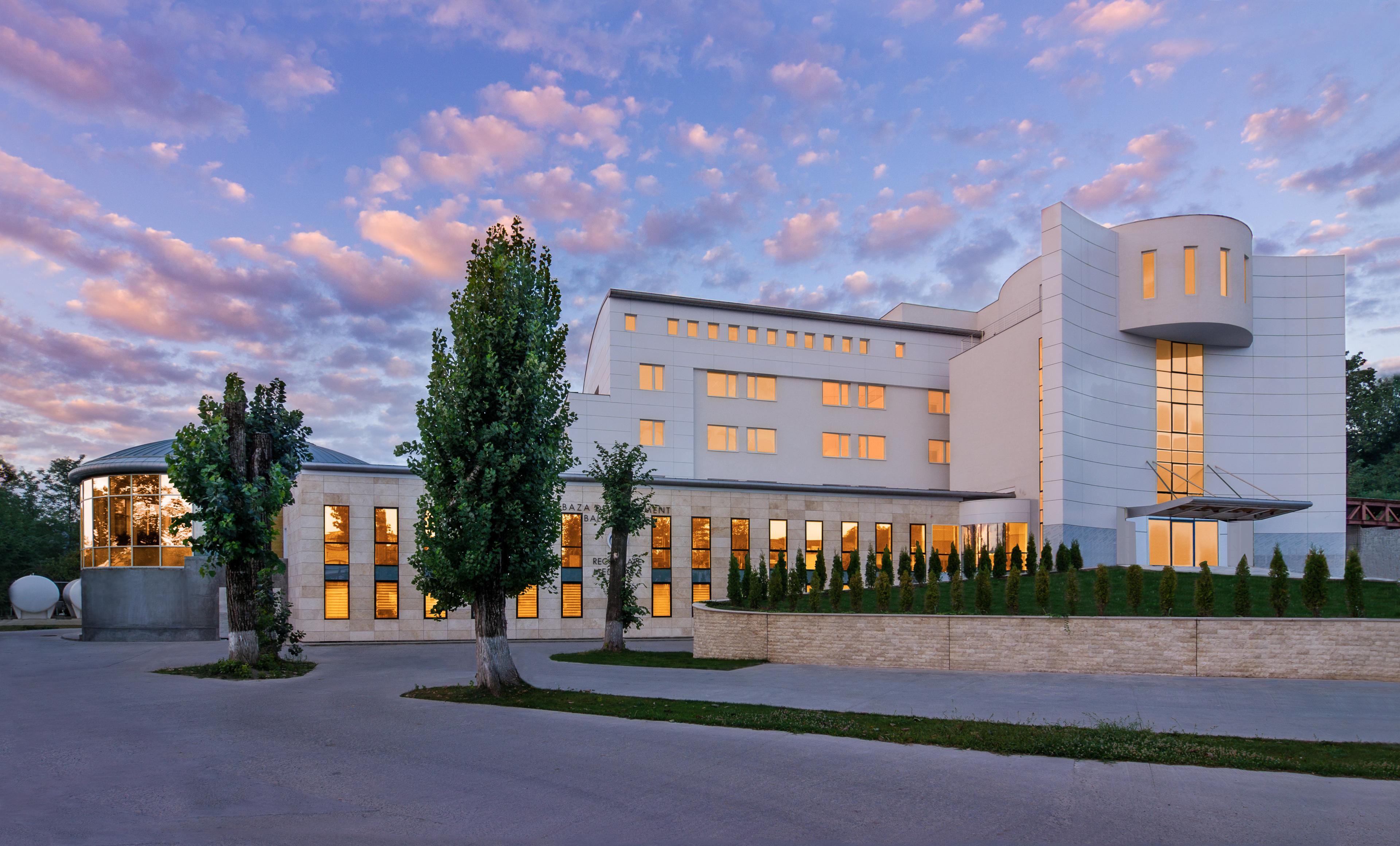
Neurosurgery addresses conditions affecting the brain, spine, and peripheral nerves—the complex systems that control every function of the body. At Sanconfind Medical Center in Poiana Câmpina, Romania, our neurosurgery services provide expert surgical treatment for neurological conditions, from common spinal disorders to complex brain conditions.
Our neurosurgeons combine advanced training with modern techniques to offer patients safe, effective surgical options. The integration with our rehabilitation services provides a complete pathway from surgical intervention through recovery.
Neurosurgical Services
Spinal Surgery
Degenerative Spine Conditions
Disc Herniation
- Microdiscectomy
- Minimally invasive approaches
- Cervical, thoracic, and lumbar levels
Spinal Stenosis
- Laminectomy
- Laminotomy
- Decompression procedures
Degenerative Disc Disease
- Fusion surgery
- Motion preservation options
- Artificial disc replacement
Spinal Fusion
- Cervical fusion
- Lumbar fusion
- Thoracolumbar fusion
- Various approaches (anterior, posterior, lateral)
Spinal Deformity
- Scoliosis correction
- Kyphosis treatment
- Degenerative scoliosis
Spinal Tumors
- Primary spinal tumors
- Metastatic tumors
- Intradural tumors
- Decompression and stabilization
Spinal Trauma
- Fracture stabilization
- Cord decompression
- Vertebral reconstruction
Brain Surgery
Brain Tumors
- Tumor resection
- Biopsy procedures
- Image-guided surgery
- Coordination with oncology
Traumatic Brain Injury
- Hematoma evacuation
- Decompressive surgery
- ICP monitoring
Hydrocephalus
- Shunt placement
- Endoscopic procedures
Vascular Neurosurgery
- Aneurysm treatment
- Arteriovenous malformation management
Functional Neurosurgery
- Trigeminal neuralgia treatment
- Movement disorder surgery
Peripheral Nerve Surgery
Compression Syndromes
- Carpal tunnel release
- Ulnar nerve decompression
- Other entrapment syndromes
Nerve Injuries
- Nerve repair
- Nerve grafting
- Neuroma treatment
Tumors
- Nerve sheath tumors
- Other peripheral nerve tumors
Surgical Approaches
Minimally Invasive Spine Surgery
Modern techniques reducing surgical trauma:
Benefits
- Smaller incisions
- Less muscle damage
- Reduced blood loss
- Shorter hospital stays
- Faster recovery
- Less postoperative pain
Techniques
- Tubular retractor systems
- Endoscopic spine surgery
- Percutaneous procedures
- Microscopic surgery
Microscopic Surgery
Using surgical microscopes for:
- Magnified visualization
- Illumination of deep structures
- Precise tissue handling
- Improved outcomes
Image-Guided Surgery
Advanced imaging integration:
- Intraoperative navigation
- Real-time anatomical guidance
- Improved accuracy
- Enhanced safety
Conditions We Treat
Spine Conditions
Common Indications for Surgery
- Herniated disc not responding to conservative care
- Spinal stenosis with significant symptoms
- Spinal instability
- Spinal tumors
- Spinal fractures
- Failed previous spine surgery
Symptoms Addressed
- Back and neck pain
- Radiculopathy (arm or leg pain)
- Weakness
- Numbness
- Bowel or bladder dysfunction
- Balance and walking problems
Brain Conditions
Tumors
- Gliomas
- Meningiomas
- Metastatic tumors
- Pituitary tumors
- Acoustic neuromas
Other Conditions
- Hydrocephalus
- Chiari malformation
- Traumatic injuries
- Vascular malformations
- Functional disorders
Peripheral Nerve Conditions
- Entrapment neuropathies
- Traumatic nerve injuries
- Nerve tumors
- Brachial plexus disorders
The Neurosurgery Experience
Consultation and Evaluation
Comprehensive Assessment
- Detailed history
- Neurological examination
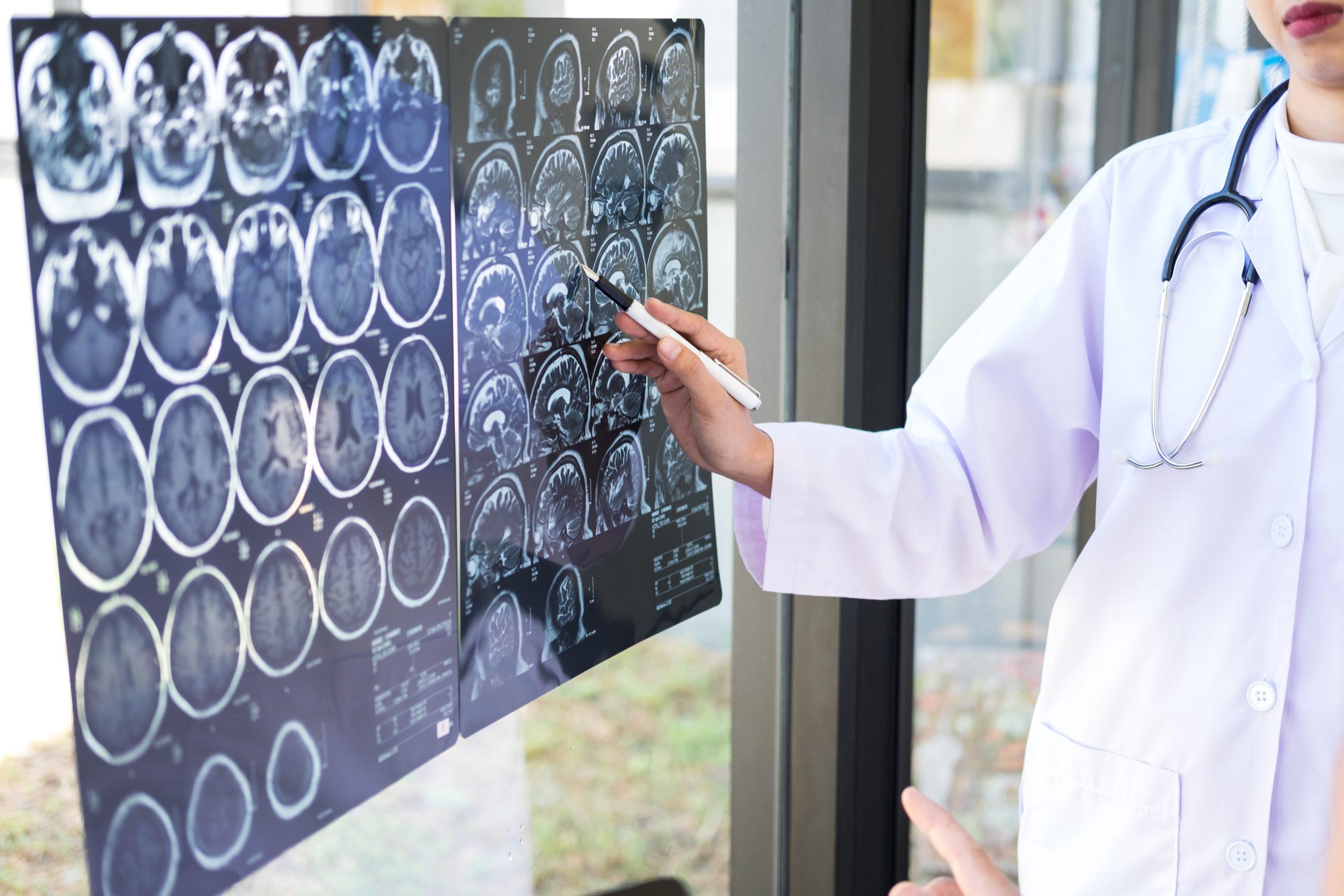
- Review of imaging studies
- Discussion of symptoms and limitations
- Explanation of treatment options
Imaging Review
- MRI analysis
- CT evaluation
- Other studies as needed
Decision Making
- Conservative vs. surgical treatment
- Procedure selection
- Risk-benefit discussion
- Patient preferences
Preoperative Preparation
Medical Optimization
- Medical clearance
- Blood tests
- Additional imaging if needed
- Medication adjustments
Patient Education
- Procedure explanation
- Recovery expectations
- Rehabilitation planning
Surgical Care
Day of Surgery
- Admission and preparation
- Anesthesia
- Surgery
- Recovery monitoring
Postoperative Care
- Pain management
- Neurological monitoring
- Early mobilization
- Wound care
- Complication prevention
Rehabilitation Integration
Post-Surgical Rehabilitation
Sanconfind's unique advantage:
- On-site rehabilitation services
- Physiotherapy
- Hydrotherapy (when appropriate)
- Comprehensive recovery programs
- Neurological rehabilitation expertise
Goals
- Pain reduction
- Mobility restoration
- Strength rebuilding
- Return to activities
Our Neurosurgery Team
Neurosurgeons
Our neurosurgeons bring:
- Advanced neurosurgical training
- Specialized expertise
- Modern technique proficiency
- Commitment to patient outcomes
Multidisciplinary Team
We collaborate with:
- Neurologists
- Radiologists
- Anesthesiologists
- Rehabilitation specialists
- Pain management
- Oncology (for tumor cases)
Why Choose Sanconfind for Neurosurgery?
Expertise
Trained neurosurgeons with experience in spine and brain surgery.
Modern Techniques
Minimally invasive approaches when appropriate.
Advanced Imaging
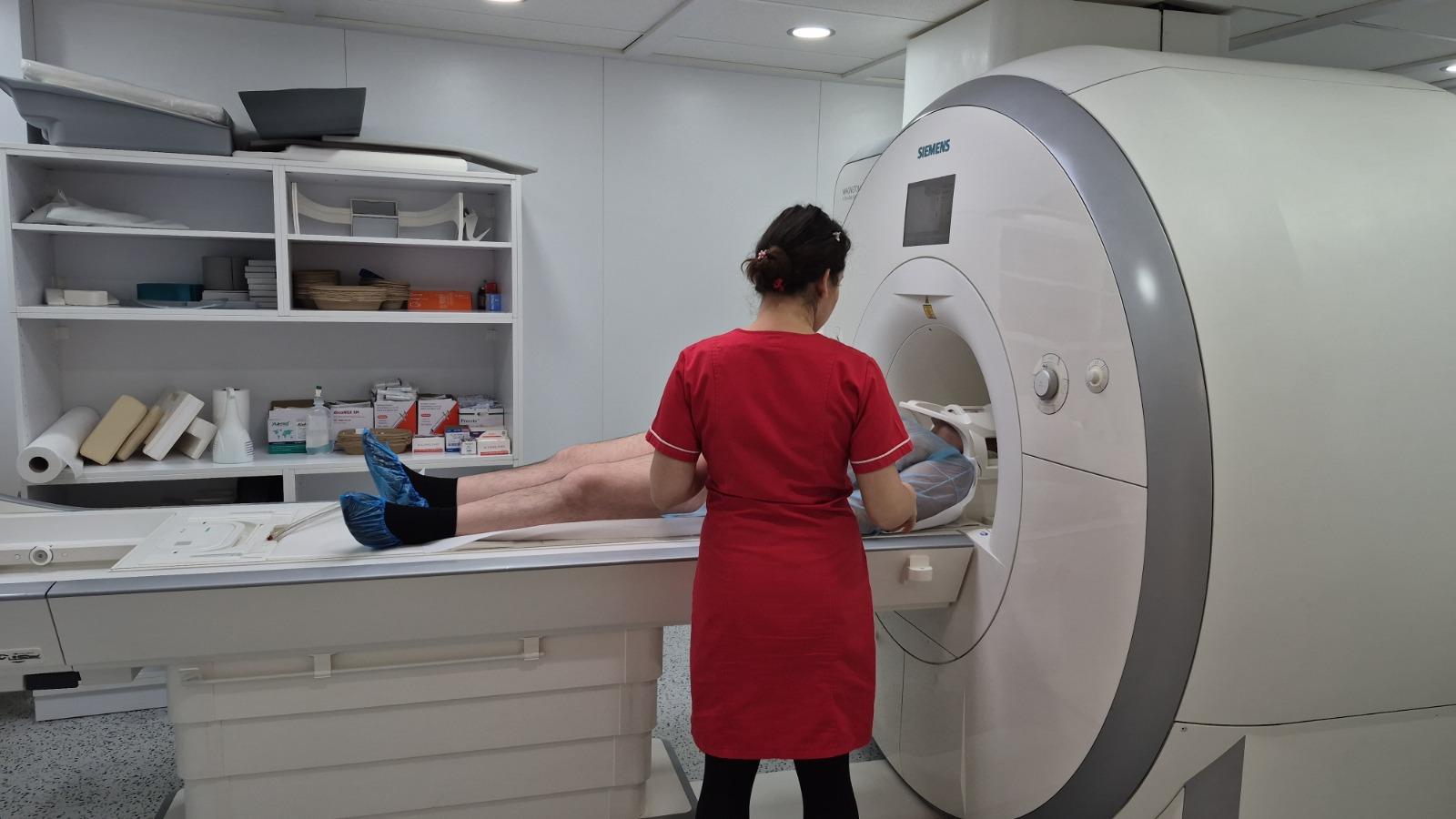
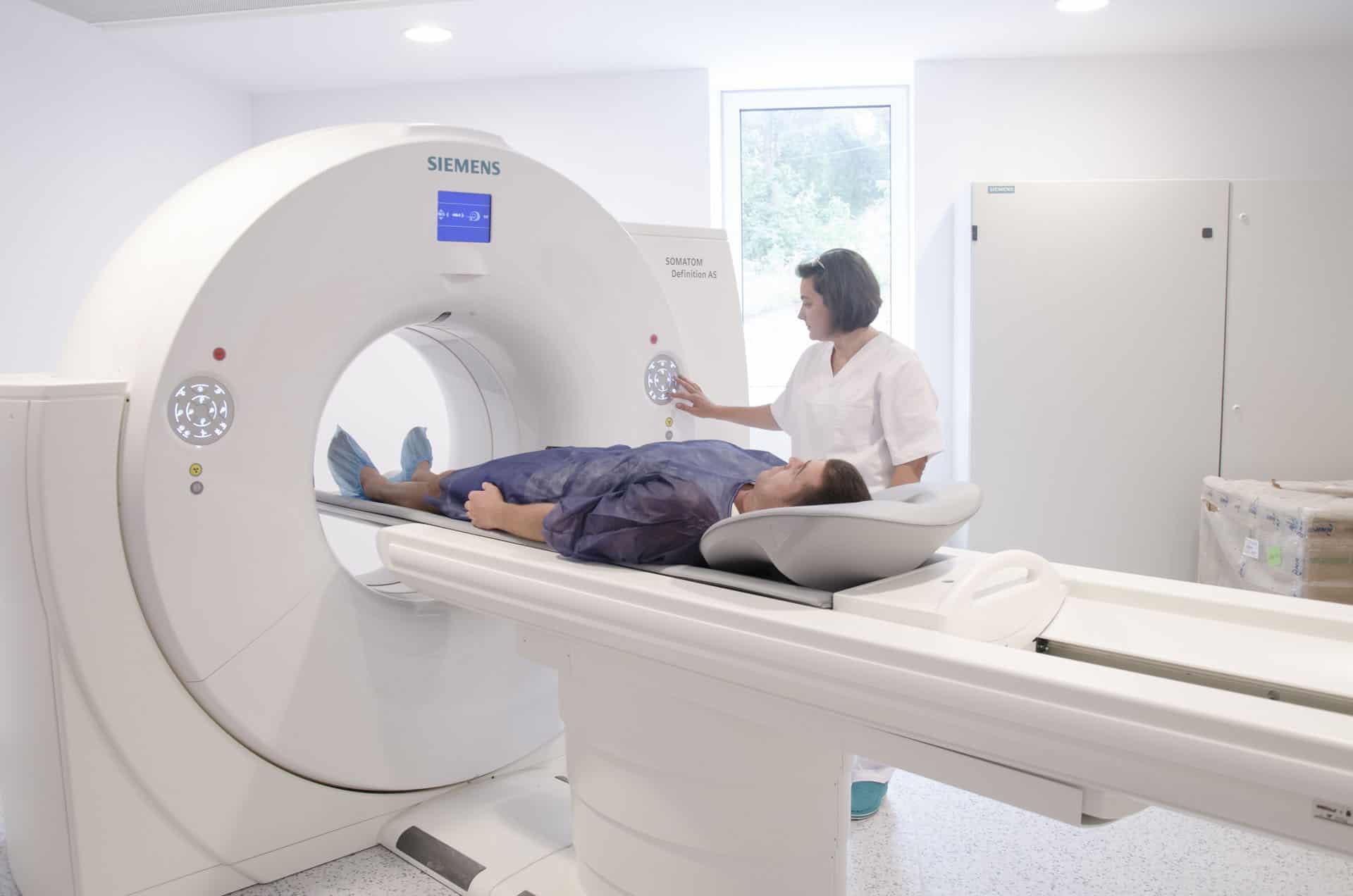
On-site MRI and CT for evaluation and surgical planning.
Integrated Rehabilitation
Direct access to comprehensive rehabilitation services.
Comprehensive Care
From diagnosis through complete recovery.
Frequently Asked Questions
Is spine surgery my only option?
No. Many spine conditions improve with conservative treatment (physical therapy, medications, injections). Surgery is typically considered when conservative treatment fails or for certain urgent conditions.
How long is recovery after spine surgery?
Recovery varies by procedure. Minimally invasive procedures may allow return to activities in weeks. Complex surgeries require longer recovery. Rehabilitation accelerates recovery.
Will I be paralyzed after spine surgery?
Paralysis is a rare complication. Modern techniques and monitoring minimize risk. Your surgeon will discuss specific risks for your procedure.
What is minimally invasive spine surgery?
Surgery using small incisions and specialized instruments, causing less tissue damage than traditional open surgery. Benefits include faster recovery and less pain.
Do you perform brain surgery?
Yes. Our neurosurgeons perform various brain procedures including tumor surgery and trauma surgery.
When is neurosurgery an emergency?
Emergencies include: cord compression with weakness or bowel/bladder dysfunction, significant brain hemorrhage, worsening neurological deficits. Seek immediate care for these symptoms.
Schedule Your Neurosurgery Consultation
For evaluation of conditions requiring neurosurgical expertise, contact Sanconfind Medical Center.
Contact Us
- Phone: +40 244 990
- Email: office@sanconfind.ro
- Location: Sanconfind Medical Center, Poiana Câmpina, Prahova County, Romania
Our neurosurgery team will evaluate your condition and recommend appropriate treatment.
Sanconfind Medical Center's neurosurgery department provides expert surgical care for brain, spine, and peripheral nerve conditions, integrated with comprehensive rehabilitation services.