Bone Densitometry (DEXA): Osteoporosis Screening at Sanconfind Medical Center
Osteoporosis, a condition characterized by weakened bones and increased fracture risk, affects millions of people worldwide, often without symptoms until a fracture occurs. Bone densitometry using Dual-Energy X-ray Absorptiometry (DEXA or DXA) provides the most accurate and reliable assessment of bone mineral density, enabling early detection of osteoporosis and guiding preventive and therapeutic interventions.
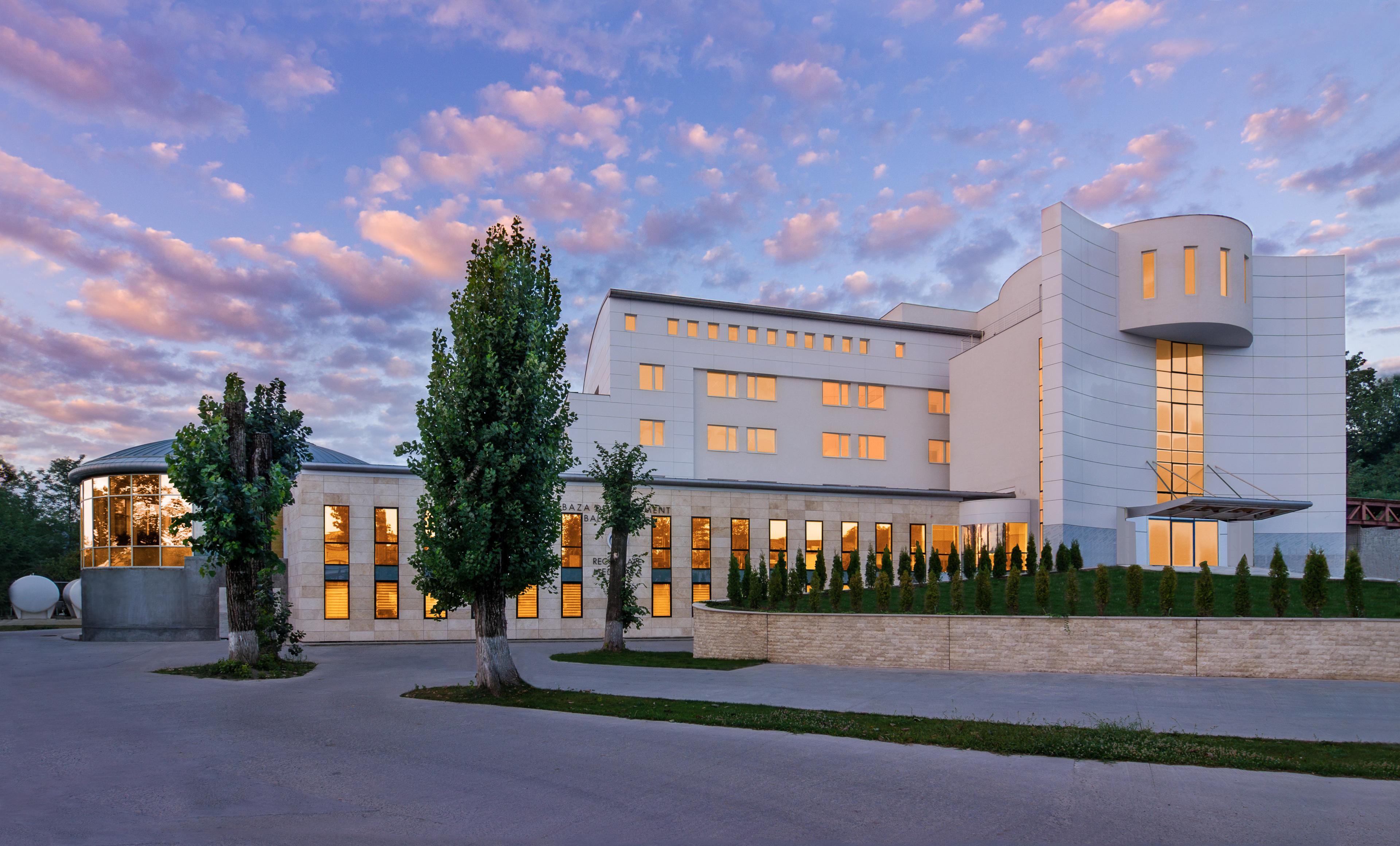
At Sanconfind Medical Center in Poiana Câmpina, Romania, our DEXA scanning service offers patients accurate bone density assessment with minimal radiation exposure, supporting the prevention and management of osteoporosis and related conditions.
Understanding Bone Densitometry
What is DEXA?
Dual-Energy X-ray Absorptiometry (DEXA) is a specialized imaging technique that measures bone mineral density (BMD) with exceptional precision. The technology uses two X-ray beams of different energy levels to distinguish between bone and soft tissue, calculating bone density with accuracy unmatched by other methods.
How DEXA Works
The Technology
- Two X-ray beams pass through the body
- Bone absorbs the beams differently than soft tissue
- Detectors measure the amount of X-ray that passes through
- Computer calculations determine bone mineral content
- Results are compared to reference populations
Measurement Sites Standard DEXA examinations measure:
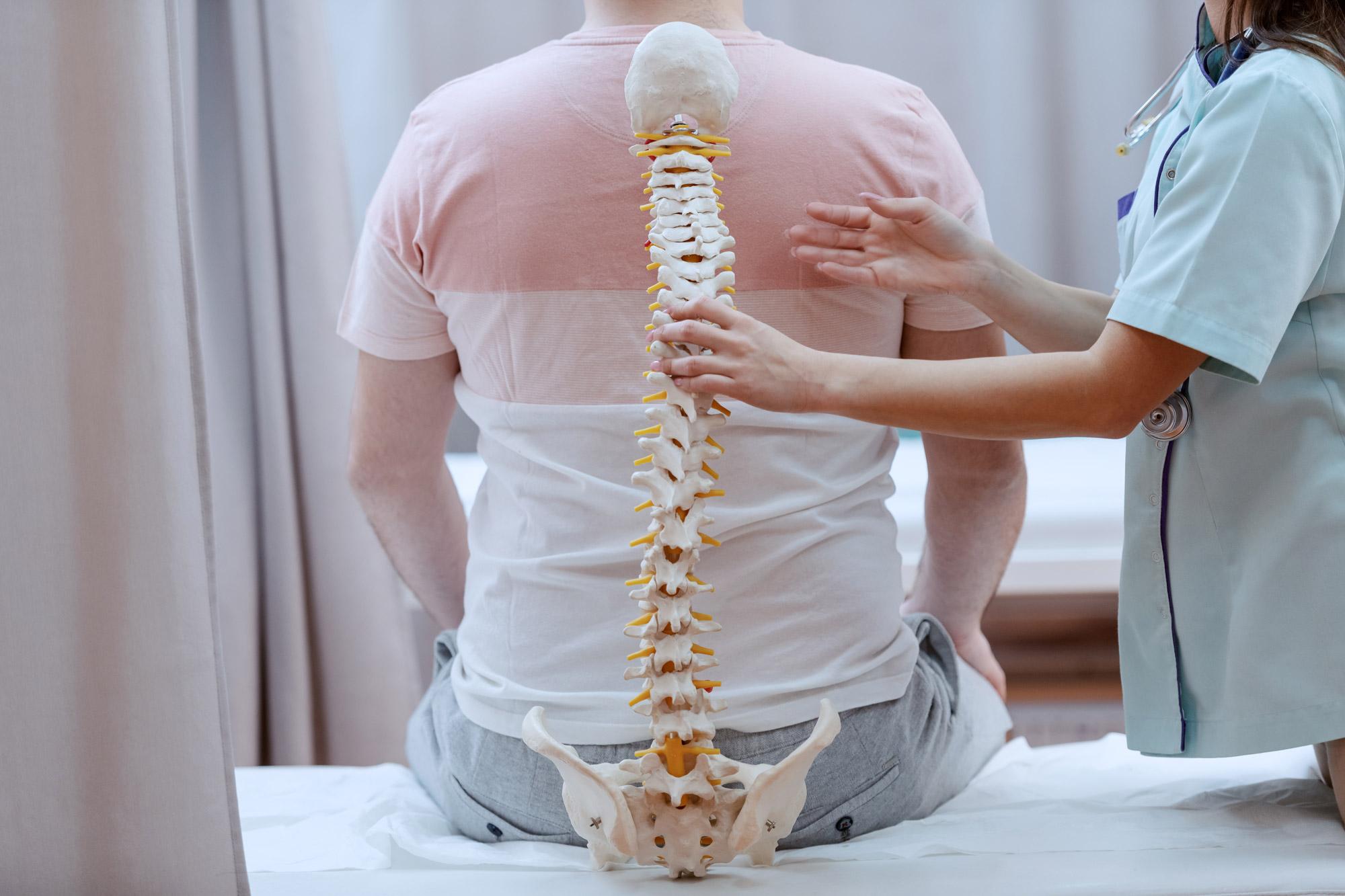
- Lumbar spine (L1-L4 vertebrae): Trabecular bone-rich area
- Hip: Including femoral neck and total hip
- Sometimes forearm: When spine or hip measurements aren't possible
These sites are chosen because they're common fracture locations and provide reliable, reproducible measurements.
Understanding DEXA Results
T-Score Your bone density compared to a healthy 30-year-old of the same sex:
- Above -1.0: Normal bone density
- -1.0 to -2.5: Osteopenia (low bone mass)
- Below -2.5: Osteoporosis
- Each unit represents one standard deviation from the reference mean
Z-Score Your bone density compared to the average for your age, sex, and ethnicity. Important for premenopausal women, men under 50, and children.
FRAX Score When appropriate, we calculate your 10-year fracture risk using the FRAX algorithm, incorporating bone density with other risk factors.
Who Should Have Bone Densitometry?
General Screening Recommendations
Women
- All women 65 years and older
- Postmenopausal women under 65 with risk factors
- Women at the menopausal transition with specific risk factors
Men
- Men 70 years and older
- Men 50-69 with risk factors
Risk Factors Indicating Earlier Testing
Medical Conditions
- History of fragility fracture
- Rheumatoid arthritis
- Chronic kidney disease
- Celiac disease or inflammatory bowel disease
- Hyperparathyroidism
- Type 1 diabetes
- Chronic liver disease
- Organ transplant history
Medications
- Long-term corticosteroid use (common indication)
- Aromatase inhibitors (breast cancer treatment)
- Androgen deprivation therapy (prostate cancer)
- Certain anticonvulsants
- Excessive thyroid hormone replacement
Lifestyle and Other Factors
- Family history of hip fracture
- Low body weight (BMI < 20)
- Current smoking
- Excessive alcohol consumption
- History of eating disorders
- Prolonged immobilization
- Early menopause (before age 45)
Treatment Monitoring
DEXA is also used to:
- Monitor response to osteoporosis treatment
- Track bone density in patients on medications affecting bone
- Assess bone health in various medical conditions
The DEXA Experience at Sanconfind
Our DEXA scanning service provides accurate results with patient comfort and convenience.
Before Your Scan
Preparation
- No special preparation is usually required
- Avoid calcium supplements for 24 hours before the test
- Wear loose, comfortable clothing without metal
- Inform us about recent barium studies or contrast CT (may need to delay)
- Bring previous DEXA results for comparison if available
Contraindications
- Pregnancy (avoid all X-ray exposure)
- Recent nuclear medicine studies (radioactive isotopes may interfere)
- Recent CT or X-ray with contrast (depending on timing)
During the Scan
The Procedure
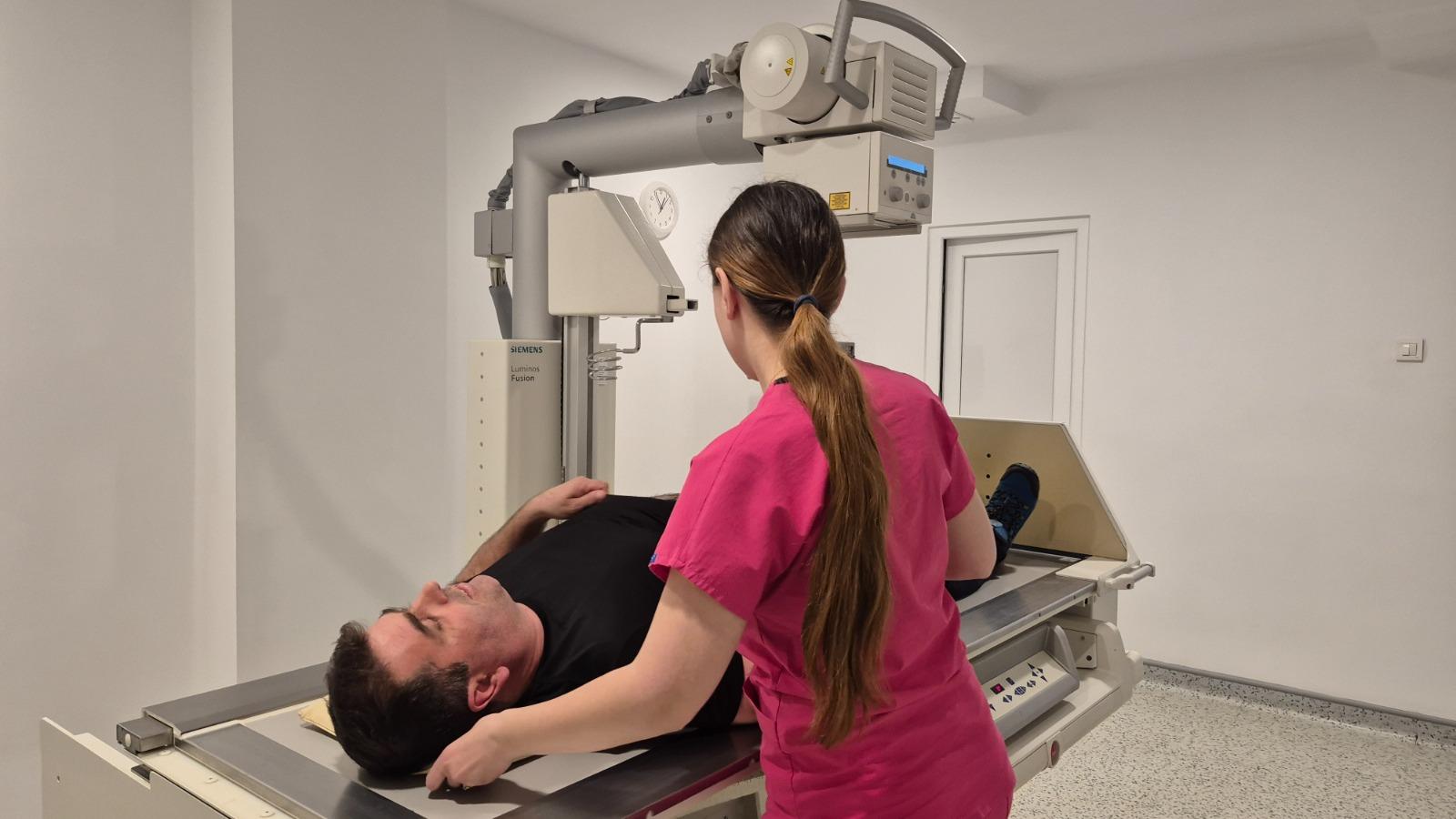
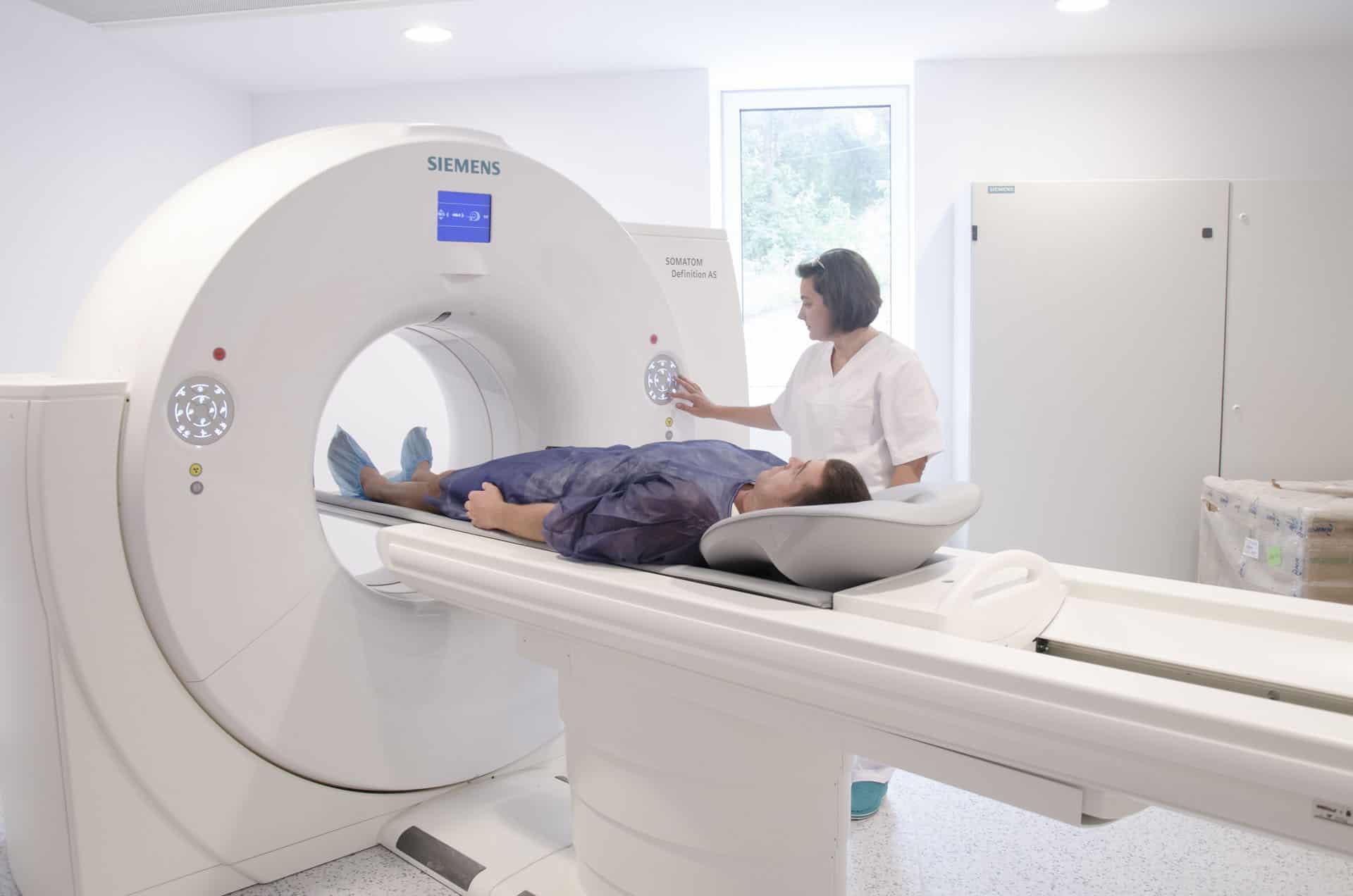
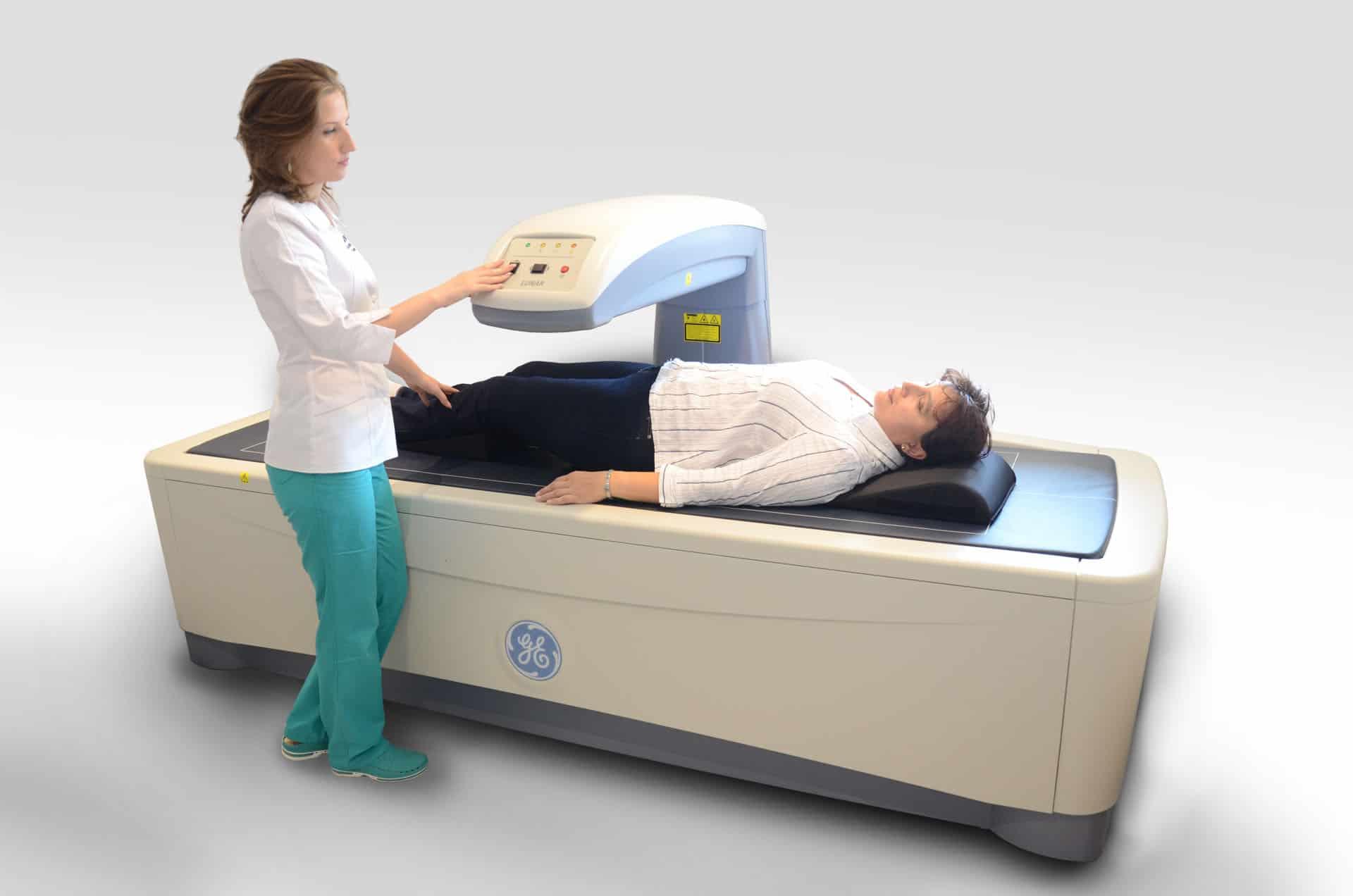
- You'll lie on a comfortable, padded table
- The technologist positions you for optimal imaging
- The scanner arm passes over the measurement areas
- You'll need to remain still during scanning
- The entire examination takes 15-20 minutes
What You'll Experience
- No injections or enclosed spaces
- No pain or discomfort
- Minimal radiation (less than a chest X-ray)
- Can breathe normally throughout
- Some patients find it relaxing
After the Scan
Results
- Our specialists interpret your images and measurements
- Results are typically available within a few days
- Report includes T-scores, Z-scores, and interpretation
- Fracture risk assessment when appropriate
- Recommendations may be included
Follow-Up
- Results are sent to your referring physician
- Treatment recommendations are made by your doctor
- Follow-up scanning intervals depend on results and treatment
Additional DEXA Applications
Body Composition Analysis
DEXA can measure:
- Fat mass: Total body fat percentage and distribution
- Lean mass: Muscle mass quantification
- Regional analysis: Fat and muscle by body region
- Visceral fat: Abdominal fat associated with health risks
Applications
- Weight management programs
- Athletic performance assessment
- Sarcopenia (muscle loss) evaluation
- Metabolic health assessment
- Research studies
Vertebral Fracture Assessment (VFA)
What is VFA? A lateral spine image obtained during DEXA that can detect vertebral compression fractures without additional radiation or examination.
Why It Matters
- Many vertebral fractures are asymptomatic
- Presence of vertebral fractures increases future fracture risk
- May change treatment decisions regardless of BMD
Osteoporosis: Understanding the Condition
What is Osteoporosis?
Osteoporosis ("porous bone") is a condition where bone becomes weak and brittle, significantly increasing fracture risk. Often called a "silent disease" because bone loss occurs without symptoms until a fracture happens.
The Impact of Osteoporosis
Fracture Consequences
- Hip fractures: Significant mortality and disability
- Spine fractures: Pain, height loss, kyphosis ("dowager's hump")
- Wrist fractures: Common, may indicate osteoporosis
- All fractures: Reduced quality of life, loss of independence
Prevalence
- Osteoporosis affects approximately 200 million people worldwide
- 1 in 3 women and 1 in 5 men over 50 will experience an osteoporotic fracture
- Hip fractures result in mortality rates of 15-25% within one year
Prevention and Treatment
Lifestyle Measures
- Weight-bearing and resistance exercise
- Adequate calcium and vitamin D intake
- Avoiding smoking
- Limiting alcohol
- Fall prevention
Medications When indicated, various effective medications are available:
- Bisphosphonates (alendronate, risedronate, zoledronic acid)
- RANK ligand inhibitors (denosumab)
- Anabolic agents (teriparatide, romosozumab)
- Hormone replacement (selected patients)
Why Choose Sanconfind for DEXA?
Accurate Equipment
Our DEXA scanner provides:
- Precise bone density measurements
- Reproducible results for monitoring
- Low radiation dose
- Body composition capabilities
- Vertebral fracture assessment
Expert Interpretation
Our team ensures:
- Accurate positioning and technique
- Proper analysis and interpretation
- Clinically meaningful reporting
- Integration with patient history
- Appropriate recommendations
Comprehensive Care
At Sanconfind:
- Results connect to our rehabilitation services
- Osteoporosis patients benefit from our exercise programs
- Coordination with medical consultations
- Holistic approach to bone health
Frequently Asked Questions
Is DEXA scanning safe?
Yes. DEXA uses very low radiation doses—less than a standard chest X-ray. The benefits of detecting and treating osteoporosis far outweigh the minimal radiation risk.
How often should I have DEXA?
For baseline screening, a single scan is often sufficient if normal. For patients with osteopenia, osteoporosis, or on treatment, follow-up scans every 1-2 years are typical. Your doctor will recommend the appropriate interval.
Do I need a referral for DEXA?
A referral from your physician helps ensure the test is appropriate for you and facilitates result communication. In some cases, self-referral may be possible for screening.
Will my insurance cover DEXA?
Many insurance plans cover DEXA screening for appropriate candidates (based on age and risk factors). Check with your insurer for specific coverage details.
How should I prepare for the scan?
No special preparation is needed. Avoid calcium supplements for 24 hours before, wear comfortable clothes without metal, and bring previous DEXA results if available.
Can DEXA diagnose fractures?
DEXA primarily measures bone density, not fractures. However, vertebral fracture assessment (VFA) performed during DEXA can detect spine compression fractures.
What if my results show osteoporosis?
Your doctor will discuss treatment options, which may include lifestyle modifications, supplements, and medications. The good news is that effective treatments are available.
Schedule Your DEXA Scan
Don't wait for a fracture to discover you have osteoporosis. Contact Sanconfind Medical Center to schedule your bone density assessment.
Contact Us
- Phone: +40 244 990
- Email: office@sanconfind.ro
- Location: Sanconfind Medical Center, Poiana Câmpina, Prahova County, Romania
Our team will answer your questions and schedule your DEXA scan at a convenient time.
Sanconfind Medical Center's DEXA bone densitometry service provides accurate osteoporosis screening and monitoring, supporting the prevention of fractures and maintenance of bone health throughout life.