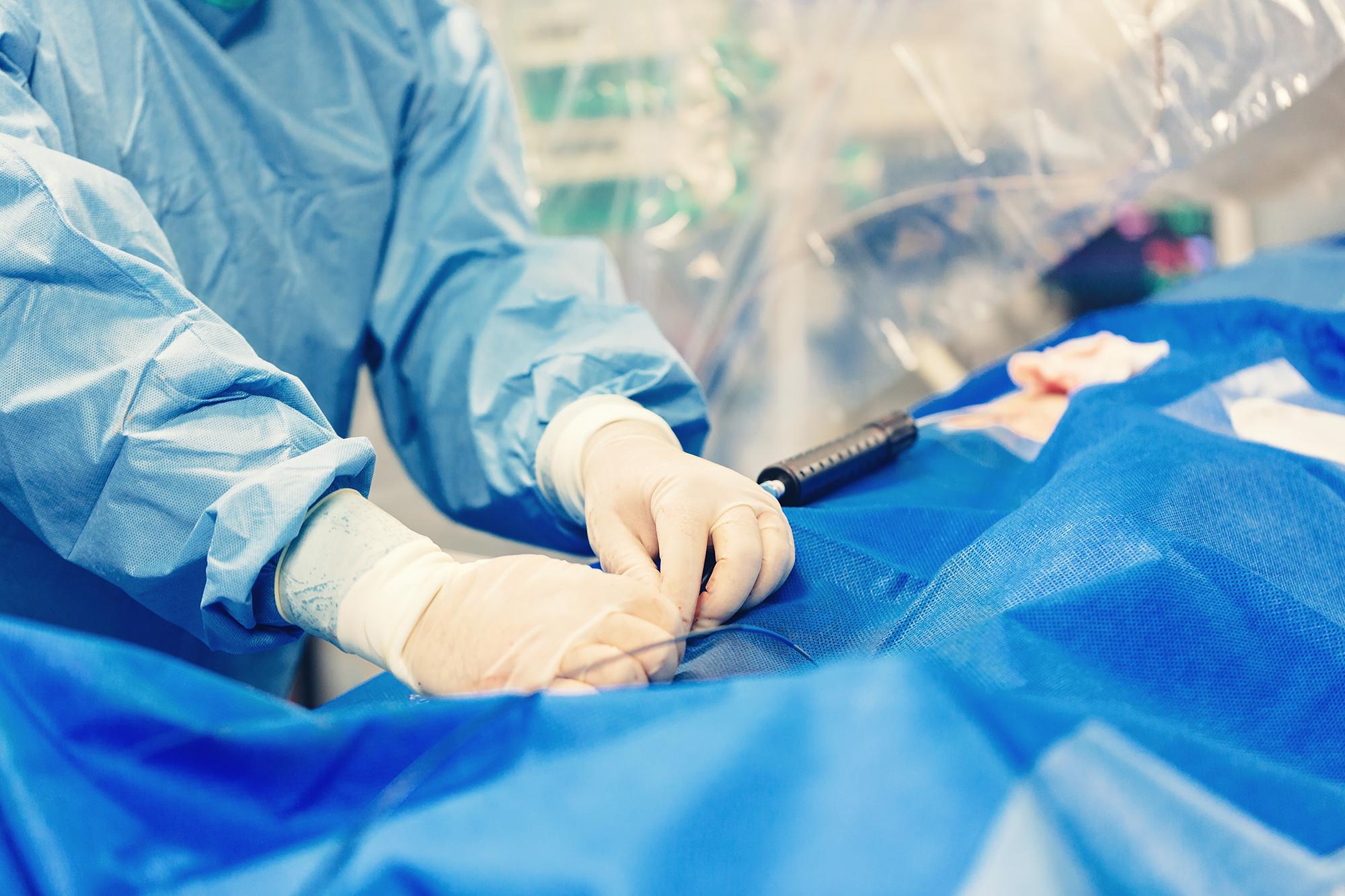
Vascular Surgery: Expert Blood Vessel Care at Sanconfind Medical Center
The vascular system—arteries, veins, and lymphatic vessels—carries blood and lymph throughout the body. When vascular disease affects this vital network, specialized surgical care may be needed to restore circulation, relieve symptoms, and prevent serious complications including stroke, heart attack, and limb loss. At Sanconfind Medical Center in Poiana Câmpina, Romania, our vascular surgery services provide comprehensive care for conditions affecting blood vessels throughout the body.
Our vascular surgeons combine expertise in both open surgical and minimally invasive techniques to offer patients effective treatment options with optimal outcomes.
Understanding Vascular Disease
Arterial Disease
Atherosclerosis The most common cause of arterial disease, atherosclerosis involves plaque buildup that narrows and hardens arteries:
- Carotid artery disease (stroke risk)
- Peripheral artery disease (leg circulation)
- Aortic disease
Aneurysms Abnormal enlargement of arteries, most commonly:
- Abdominal aortic aneurysm
- Peripheral aneurysms
Acute Arterial Problems
- Arterial thrombosis (clot)
- Embolism
- Arterial trauma
Venous Disease
Chronic Venous Insufficiency Valve failure leading to:
- Varicose veins
- Leg swelling
- Skin changes
- Venous ulcers
Deep Vein Thrombosis (DVT) Blood clots in deep veins requiring treatment to prevent:
- Pulmonary embolism
- Post-thrombotic syndrome
Vascular Access
For patients requiring:
- Hemodialysis access (fistulas, grafts)
- Long-term intravenous access
Vascular Surgery Services
Carotid Artery Surgery
Carotid Endarterectomy Surgical removal of plaque from carotid arteries to prevent stroke:
- Indicated for significant stenosis
- Proven stroke prevention
- Performed under various anesthesia options
Indications
- TIA (transient ischemic attack)
- Stroke with carotid stenosis
- Severe asymptomatic stenosis
Peripheral Arterial Surgery
Lower Extremity Revascularization Restoring blood flow to legs affected by peripheral artery disease:
- Bypass surgery (vein or synthetic graft)
- Endarterectomy
- Angioplasty and stenting (endovascular)
Goals
- Relieve claudication (leg pain with walking)
- Heal non-healing wounds
- Prevent limb loss
- Improve quality of life
Aortic Surgery
Abdominal Aortic Aneurysm Repair
- Open surgical repair
- Monitoring of smaller aneurysms
- Emergency repair for rupture
Venous Surgery
Varicose Vein Treatment Multiple approaches based on severity and anatomy:
- Endovenous laser ablation
- Radiofrequency ablation
- Sclerotherapy
- Phlebectomy
- Traditional vein stripping (when indicated)
Deep Vein Surgery
- IVC filter placement
- Venous thrombectomy
- Venous reconstruction
Dialysis Access Surgery
Arteriovenous Fistula Creation Creating access for hemodialysis:
- Radiocephalic fistula
- Brachiocephalic fistula
- Other configurations
Arteriovenous Graft When native fistula not possible:
- Synthetic graft placement
- Maintenance procedures
Access Complications
- Thrombosed access declotting
- Stenosis treatment
- Infection management
- Steal syndrome correction
Emergency Vascular Surgery
Acute Conditions
- Acute limb ischemia
- Ruptured aneurysm
- Vascular trauma
- Thrombosed access
Minimally Invasive Vascular Procedures
Modern vascular surgery increasingly uses endovascular (catheter-based) techniques:
Endovascular Advantages
- Smaller incisions or punctures
- Local or regional anesthesia often possible
- Shorter hospital stays
- Faster recovery
- Lower complication rates for some procedures
Endovascular Procedures
Angioplasty and Stenting
- Balloon dilation of narrowed arteries
- Stent placement to maintain openness
- Applied to various vascular beds
Endovenous Ablation
- Laser or radiofrequency treatment of varicose veins
- Outpatient procedures
- Minimal downtime
Other Endovascular Options
- Thrombolysis (clot dissolution)
- Mechanical thrombectomy
- Embolization procedures
Comprehensive Vascular Care
Diagnostic Services
Vascular Laboratory
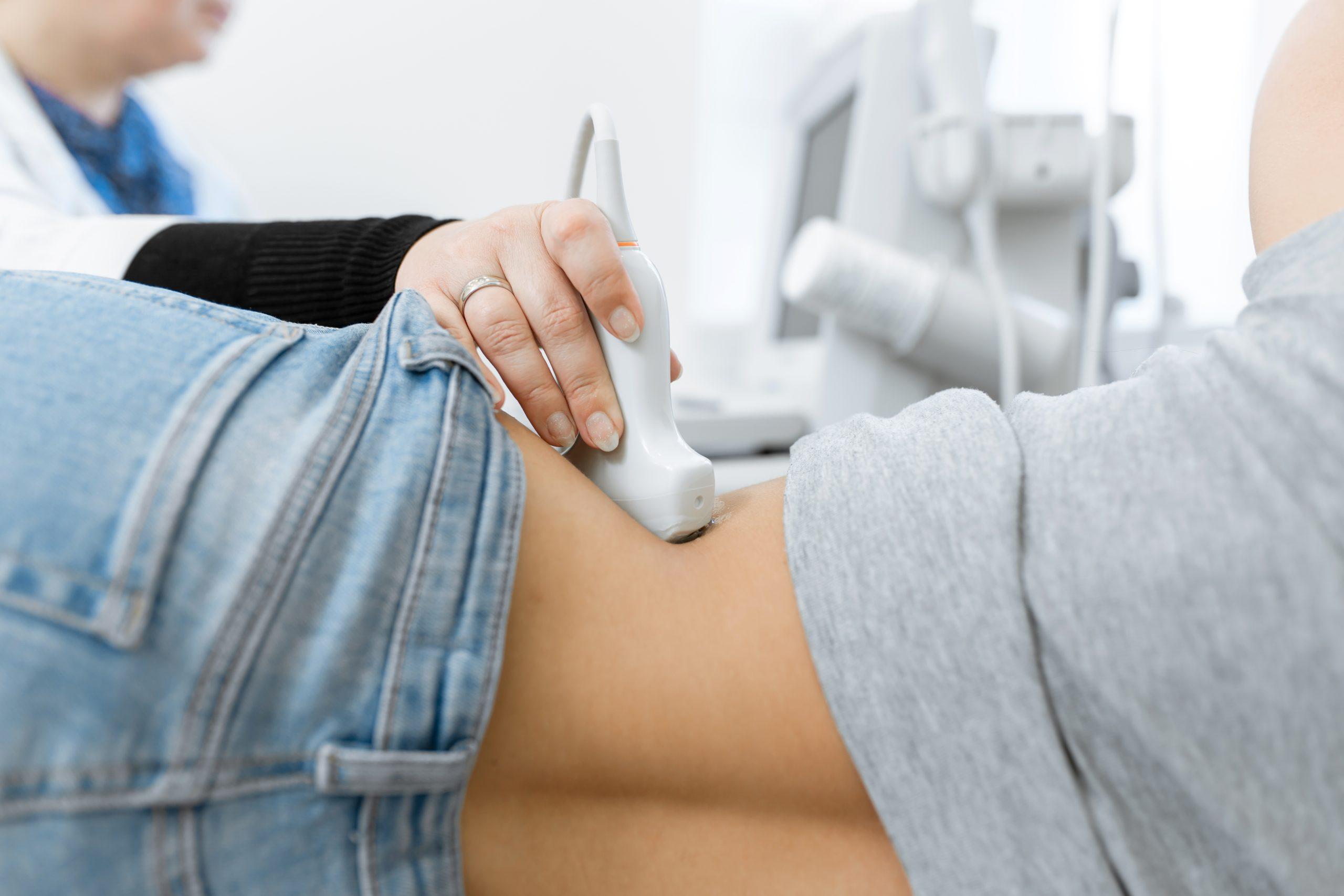
- Doppler ultrasound
- Ankle-brachial index
- Vascular mapping
Advanced Imaging
- CT angiography
- MR angiography
- Conventional angiography
Medical Management
Risk Factor Control
- Smoking cessation support
- Diabetes management
- Blood pressure control
- Cholesterol management
- Antiplatelet therapy
Supervised Exercise Particularly for claudication:
- Structured walking programs
- Significant improvement possible
- Part of comprehensive treatment
Wound Care
Vascular Wound Management
- Arterial ulcer care
- Venous ulcer treatment
- Diabetic foot care
- Amputation prevention
The Vascular Surgery Experience
Consultation
Evaluation Includes
- Detailed medical history
- Vascular examination
- Review of imaging and tests
- Discussion of treatment options
- Risk assessment
- Shared decision-making
Preoperative Preparation
Medical Optimization
- Cardiac evaluation when needed
- Risk factor management
- Medication adjustments
- Patient education
Surgical Care
Procedure Selection Based on:
- Condition and anatomy
- Patient health status
- Available options
- Expected outcomes
Monitoring
- Intraoperative assessment
- Postoperative surveillance
- Long-term follow-up
Recovery
Post-Surgical Care
- Wound management
- Pain control
- Anticoagulation (when needed)
- Activity progression
Rehabilitation
- Walking programs
- Physical therapy
- Cardiovascular conditioning
- Access to our rehabilitation services
Our Vascular Team
Vascular Surgeons
Our vascular surgeons have:
- Specialized training in vascular surgery
- Experience with open and endovascular techniques
- Commitment to comprehensive vascular care
Collaborative Care
We work with:
- Cardiologists
- Nephrologists (for dialysis patients)
- Interventional radiologists
- Wound care specialists
- Rehabilitation therapists
Why Choose Sanconfind for Vascular Surgery?
Expertise
Experienced vascular surgeons offering comprehensive care.
Modern Techniques
Both open surgical and minimally invasive options.
Integrated Care
Coordination with cardiology, nephrology, and rehabilitation.
Rehabilitation Access
Post-surgical rehabilitation services to optimize recovery.
Continuity
From diagnosis through treatment and long-term follow-up.
Frequently Asked Questions
What is the difference between a vascular surgeon and a cardiologist?
Vascular surgeons treat blood vessels throughout the body (except coronary arteries and heart). Cardiologists focus on the heart and coronary arteries. We collaborate for comprehensive care.
Will I need surgery for varicose veins?
Not all varicose veins require treatment. Intervention is recommended for symptoms, complications, or cosmetic concerns. Many options are minimally invasive office procedures.
How long is recovery after vascular surgery?
Recovery varies by procedure. Minor endovenous procedures: days. Major arterial bypass: weeks. We provide specific guidance based on your procedure.
Can peripheral artery disease be treated without surgery?
Yes, many patients improve with medical management and exercise. Surgery is reserved for cases not responding to conservative treatment or presenting with severe symptoms.
Is carotid surgery safe?
Carotid surgery, when appropriately indicated, significantly reduces stroke risk. The procedure itself carries small risks that we discuss in detail during consultation.
Schedule Your Vascular Consultation
If you have vascular concerns, contact Sanconfind Medical Center for evaluation.
Contact Us
- Phone: +40 244 990
- Email: office@sanconfind.ro
- Location: Sanconfind Medical Center, Poiana Câmpina, Prahova County, Romania
Our vascular team will evaluate your condition and recommend appropriate treatment.
Sanconfind Medical Center's vascular surgery services provide comprehensive care for arterial and venous conditions, combining surgical expertise with modern techniques and integrated rehabilitation.